Making Bathroom Heaters That Don’t Blind You
Most bathroom infrared lamps use short-wave radiation to get you warm the second you flip the switch. But there’s a catch. If you aren’t careful with how that light hits the eye, it can be way too harsh—especially for babies or anyone with sensitive eyes. That’s why we spend so much time tweaking the light.
Keeping it easy on the eyes
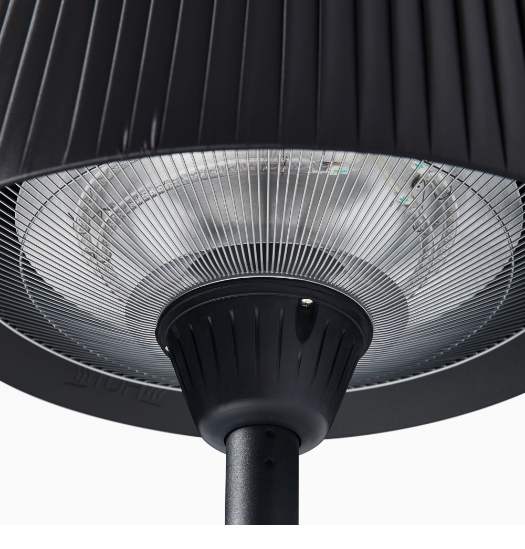
Standard lamps throw out a messy mix of light, including UV rays and that piercing blue glare. Nobody wants to feel like they’re under a surgical lamp while they’re brushing their teeth. To fix this, we use special coatings on the quartz glass or filtered halogen tech. It basically kills those sharp blue peaks. The result? You still feel that deep, cozy heat on your skin, but the light stays soft and mellow.
Dealing with the steam
Bathrooms are basically steam rooms. If moisture gets into the filaments, the whole thing burns out. Simple as that. We use sealed quartz glass and connectors that hate water. This keeps the steam out and the heat in. And it’s fast. Like,really fast. You hit the switch and it’s at peak temperature in a few seconds. One thing we have to watch out for is “heat soak.” Because the power is so concentrated, the housing has to be tough. We make sure the casing won’t warp or melt after a few months of heavy use.
The trade-off: Light vs. Heat
Here’s the honest truth: you can’t have everything. When we filter out the visible light to protect your eyes, we lose a tiny bit of efficiency. If you want a lamp that’s almost “invisible” but still keeps the room toasty, you need a bit more wattage. It’s a small price to pay for a heater that doesn’t feel like a spotlight in your face. You just have to make sure your power supply can handle that extra little bit of load.