


Keeping Your Wafer Drying Actually Clean
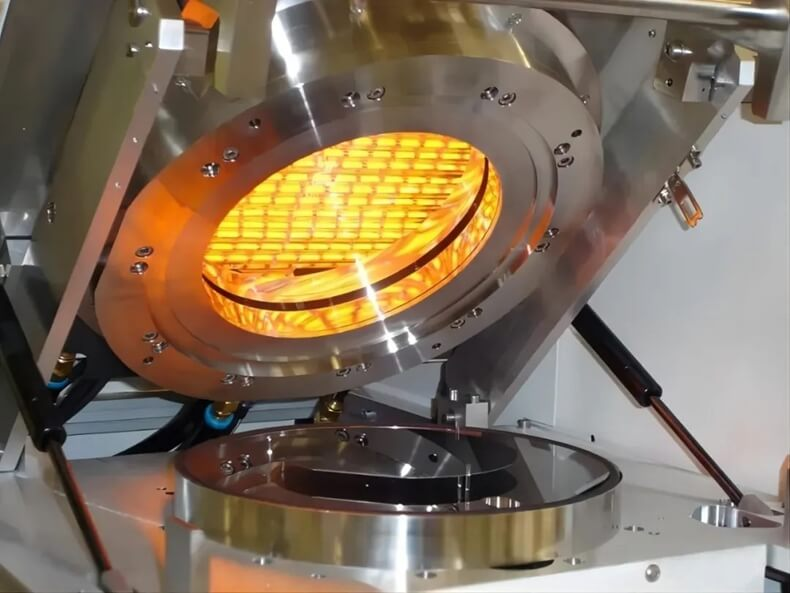
When you’re drying MEMS sensor wafers, heat is only half the battle. The real nightmare is particulate shedding. In a Class 100 cleanroom, one tiny flake of old insulation or a speck of metal oxide is enough to trash your entire batch. It’s frustrating, and it’s expensive. That’s why we stick with high-purity synthetic quartz infrared lamps. The problem with “standard” heat Most heating elements have a bad habit of outgassing or shedding bits of themselves as they heat up and cool down. We don’t do that. By using high-purity quartz, we get a material that handles extreme thermal shock without cracking or pitting. We also stripped out the organic binders and cheap coatings. Why? Because those things can volatilize and settle right on your wafer. Instead, you get a heat source that just does its job without leaving a mess behind. Stop moving the dust Here’s the thing about convection heating: it relies on moving air. And moving air means moving dust. We use short-wave infrared (SWIR) instead. SWIR sends energy straight into the water droplets on the wafer. It’s fast. Really fast. And since you aren’t blasting the wafer with high-velocity air, you aren’t kicking up particles in your cleanroom. The gritty details of setup Now, putting these lamps into a drying station isn’t just “plug and play.” You have to get the power matching right. These high-wattage quartz tubes pack a punch, which means your power supplies will feel the load. You’ll also want to double-check your cooling. If the housing isn’t vented properly, that ambient heat will eventually warp your mounting brackets. It’s a pain to fix once it happens, so get the airflow right from the start. We keep the footprint tight so these fit easily into your vacuum chambers or drying tunnels. You get direct heat transfer, faster drying times, and better yields. Just a heads-up: make sure your wiring is rated for the thermal load. Nobody likes a burnt-out terminal.