Stop Letting the Winter Kill Your Patio Profits
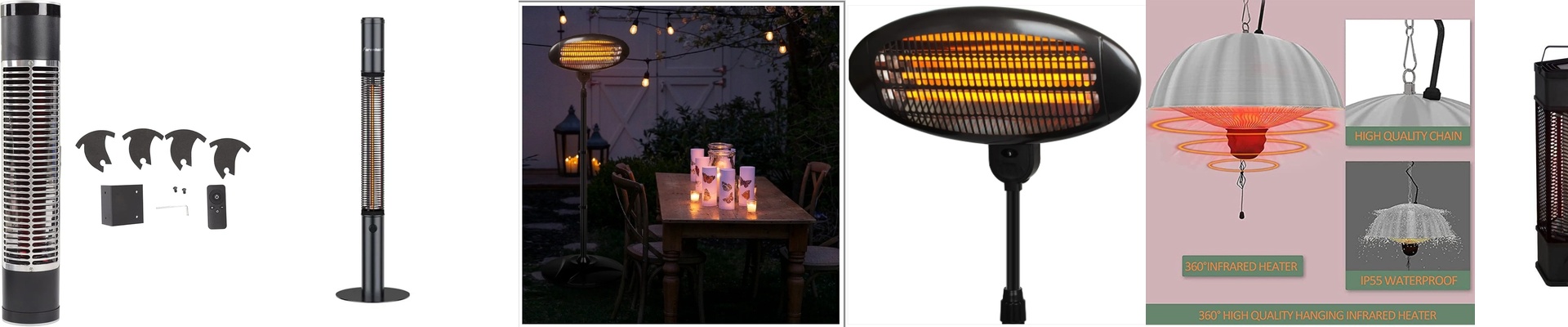
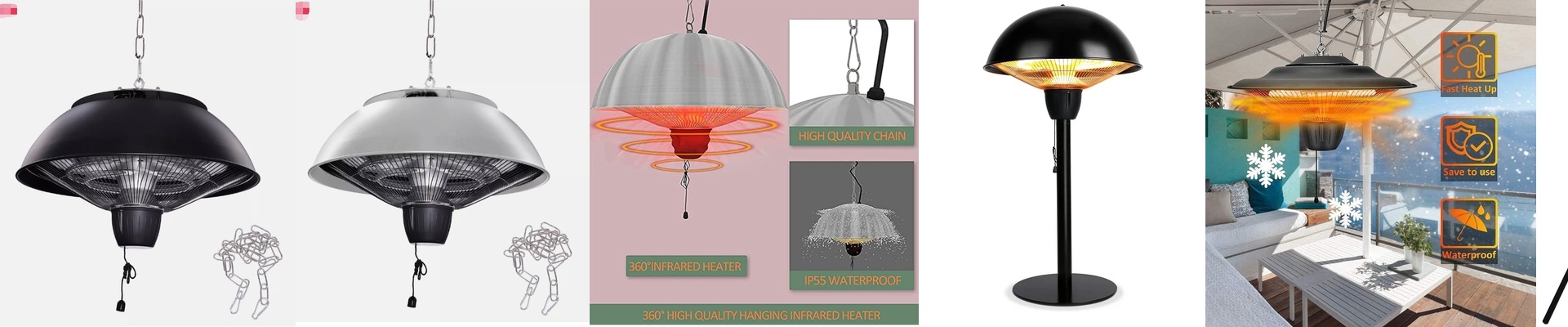
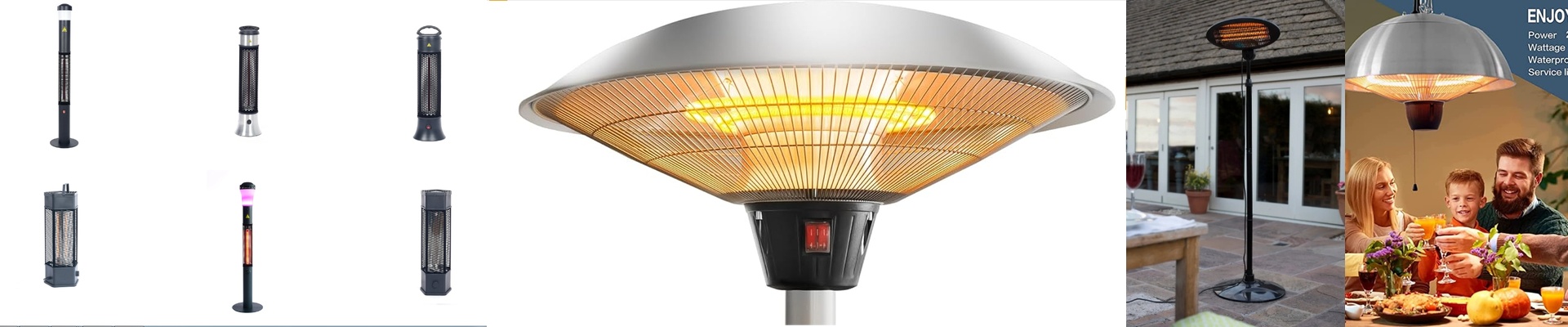
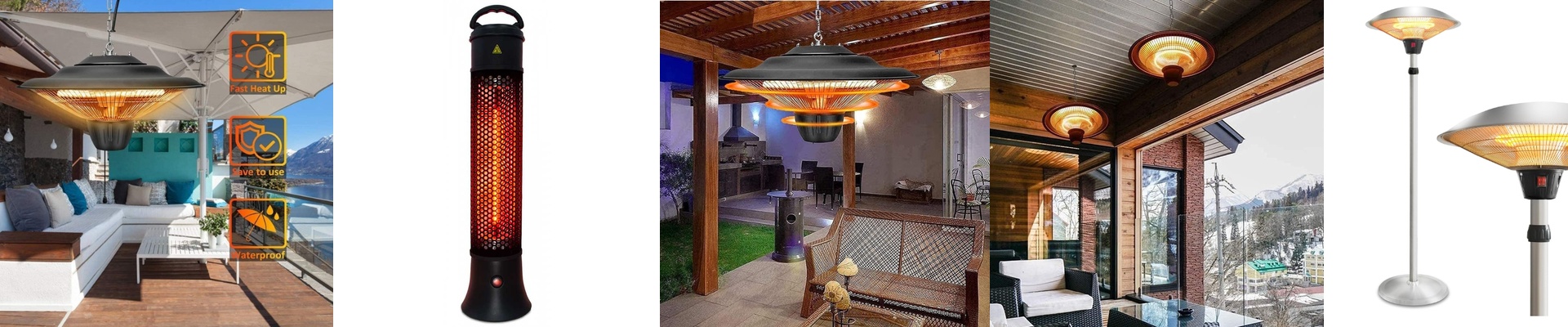
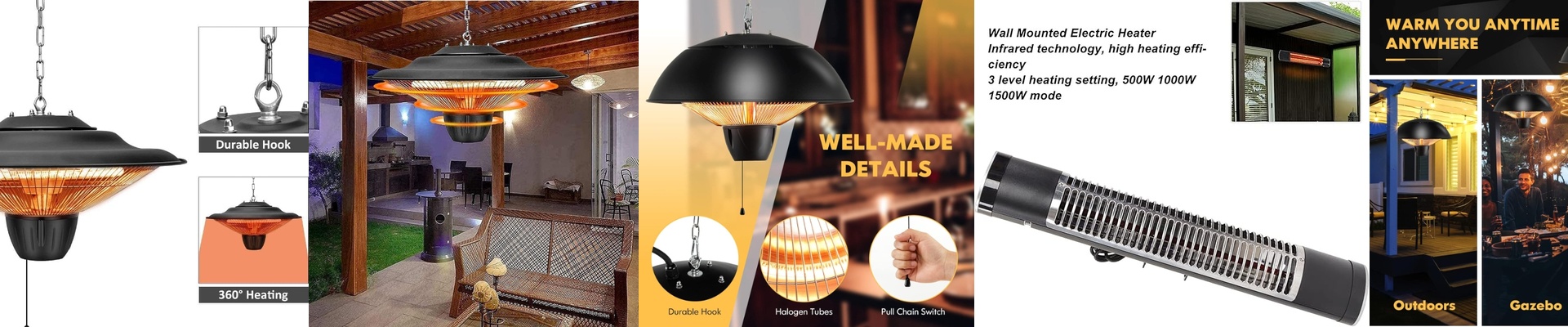
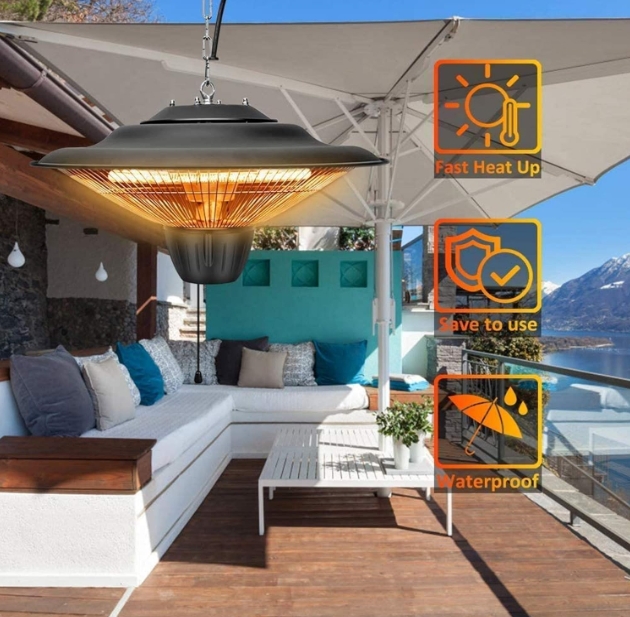
Let’s be honest: running an outdoor seating area in the winter is usually a nightmare. You’ve got these great tables, but they stay empty because nobody wants to freeze while eating a burger. Most people try those standard forced-air heaters, but they’re basically useless. The second a breeze hits, all that expensive warm air just vanishes into the sky. We do things differently. We use shortwave infrared. Instead of trying to fight the wind by heating the air, these units beam heat directly onto your guests. It’s like sitting in the sun on a crisp October day. You create a “warm zone” that stays put, no matter how cold it gets outside. Why this actually works for your wallet Think about it. When people are shivering, they eat fast and leave. They don’t order that second bottle of wine or a decadent dessert. But when they’re cozy? They linger. They relax. They order more drinks. By fixing the temperature, you’re not just buying heaters—you’re keeping your seats full and your turnover high during months when you’d normally be losing money. The nitty-gritty on setup Now, you can’t just slap these anywhere. You have to match the wattage to your ceiling height so the heat actually reaches the person sitting in the chair, not just the air halfway down. And a heads-up on the power: these things pack a punch. If you’re installing a dozen units, your electrical panel is going to feel it. You’ll likely need dedicated circuits to make sure you don’t trip a breaker right in the middle of a Friday night rush. A few things to watch out for Here’s the catch: these heaters get hot. Really hot. If you mount them too close to a plastic awning or some cheap decor, you’re going to scorch your equipment. We usually suggest a gap of at least 2.1 meters. That way, your guests feel a nice, steady warmth on their shoulders and back without feeling like their forehead is being toasted. The big picture Sure, putting in a radiant system costs money upfront. But look at it this way: you’re turning a seasonal patio into a year-round money maker. Just do the math on how many extra covers you can pull in during January and February. The system usually pays for itself faster than you’d think.