Cutting Carbon in the Fab with IR Curing
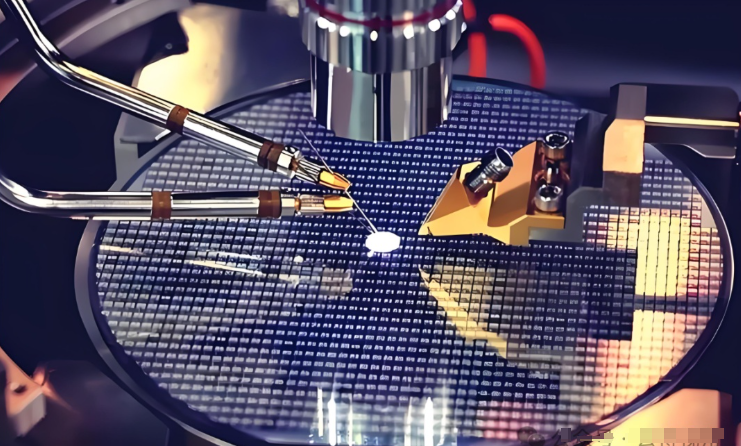
Let’s be honest: semiconductor fabs are under a ton of pressure to hit those net-zero targets. But when you look at where the energy is actually disappearing, a lot of it happens during curing and baking. Traditional convection ovens are basically giant heat leaks. They waste a massive amount of power just idling, heating up air that doesn’t even touch the product. Switching to certified infrared (IR) curing lamps changes the whole approach. Instead of trying to heat up a whole room, the IR goes straight for the wafer. It’s targeted. It’s efficient. Stop waiting for the oven to warm up. One of the best parts about IR lamps is that they’re “instant-on.” You aren’t standing around waiting for a massive chamber to reach temperature before you can even start loading parts. You just flip the switch and go. By cutting out that pre-heat cycle, you slash the energy footprint for every single wafer. When you’re running a high-volume fab, those saved idle hours add up fast. It’s a simple way to bring those total carbon emissions down without fighting with your entire infrastructure. The nitty-gritty stuff To get the heat deep into the photoresist or adhesive layers, we use short-wave IR. And since nobody wants contamination in a cleanroom, we use high-purity quartz envelopes to stop outgassing. You can pick the wattage density based on how fast you need your ramp-up. Just a heads-up: high-density lamps put out a lot of heat. You’ve got to make sure your cooling manifolds are up to the task. If the airflow is too weak, the housing will overheat, and you’ll burn through your filaments way faster than you should. Getting it running The great thing is that these lamps are designed to be drop-in replacements for your old heating elements. The wiring is pretty simple. Just make sure your voltage matches your existing power rails—otherwise, you’ll deal with flickering or lamps burning out early. When a lamp finally does go, replacing it takes a few minutes. It’s a world away from the headache of repairing a massive industrial oven. You’re trading a bulky, power-hungry system for something compact that actually hits the target.