Why we switched to IR for bio-sensor fabrication
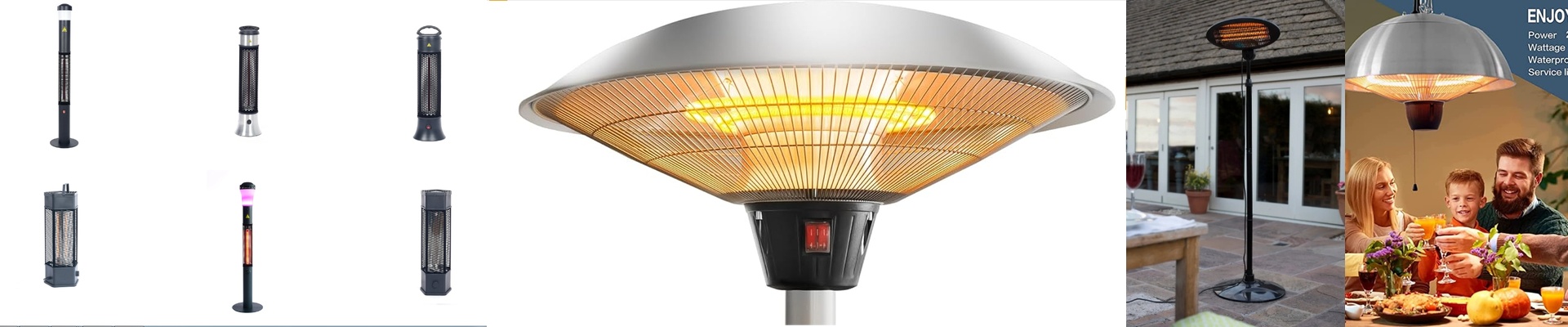
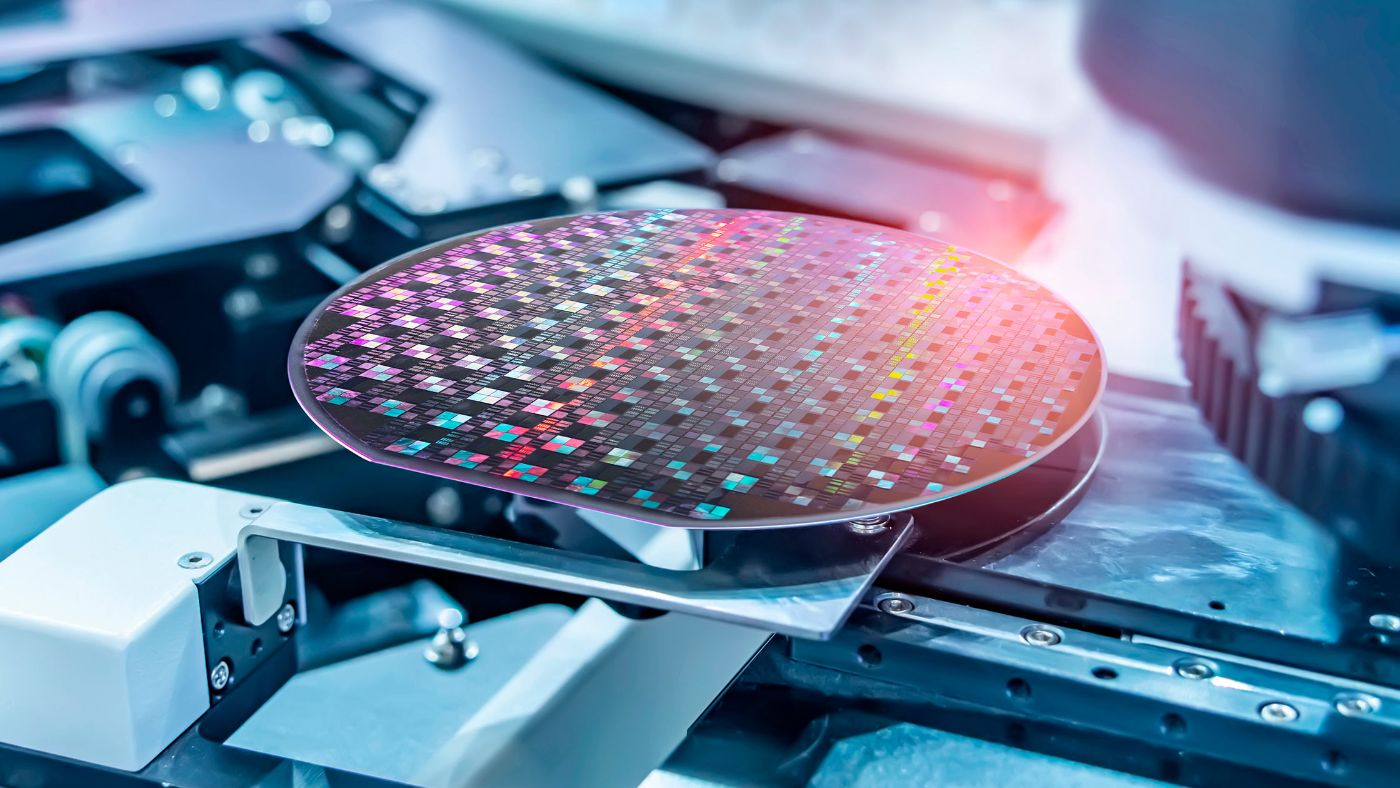
Making bio-sensors is a bit of a balancing act. You need a lot of precise heating and drying to get things right, but traditional convection ovens are honestly a nightmare. They waste so much energy just heating up the air around the product. So, we ditched the ovens for specialized infrared (IR) lamp systems. It’s a much cleaner way to work and gets us a lot closer to that “Green Factory” goal we’re chasing. The secret is in how the heat moves. In a fab, every bit of energy used per wafer counts. With IR lamps, we aren’t waiting for the air to warm up. The heat is radiant—it hits the substrate directly. It’s fast. Really fast. By tuning the wavelength to match the materials we’re using, we stop wasting kilowatt-hours. The heat goes exactly where it needs to go, not into the rest of the room. The hardware side of things We use high-density quartz elements because they can actually handle the constant, heavy workload of a fab without giving up. We arrange them in precise arrays because if the heat isn’t uniform across the wafer, the sensor fails. Period. To keep things steady, we use PID-controlled power supplies. They tweak the IR output in real-time so we don’t get any weird hot spots. But here’s the catch: these lamps get incredibly hot in a very small space. If your cooling manifold isn’t up to the task, you’ll end up warping the housing or messing with your optics. You have to get the cooling right, or the whole thing is a wash. Cutting the carbon footprint The best part? This really helps the planet. By slashing the time it takes to cure the sensors, we aren’t pulling nearly as much power from the grid. It’s a straightforward path to a cleaner cleanroom. We’ve seen the biggest wins during the dehydration stages. Replacing those energy-hungry vacuum ovens with IR means we get the same amount of work done, but with a much smaller energy bill.