Getting Your Heat Right for Hydrogen Sensors
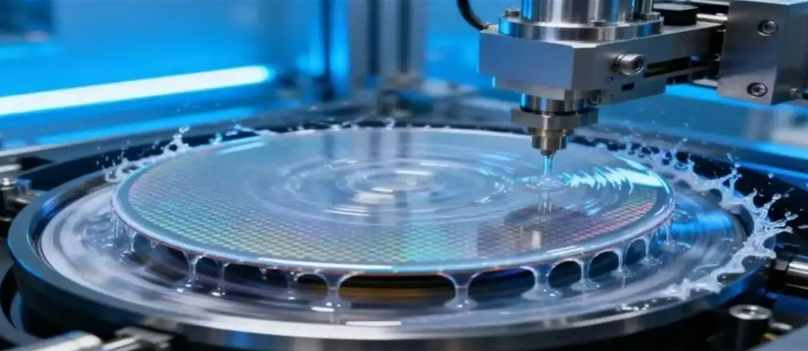
When you’re building hydrogen sensors, the temperature on your wafer has to be spot on. If it’s off, the whole batch is junk. But here’s the problem: most heaters waste a ton of energy. We solve that by using gold-coated reflectors to keep the heat where it actually belongs—on the substrate, not leaking into the chamber walls.
Why the gold matters
Think about a standard quartz lamp. It throws heat in every direction. In a typical setup, you’re basically throwing half your energy away because it’s heading the wrong way. By adding a high-purity gold layer to the reflector, we change the game. Gold is incredible at bouncing infrared light. It grabs that wasted energy and shoves it straight back onto the wafer. You get way more heat out of every watt you pull from the wall.
Power and precision
When you’re looking at these heaters, don’t just look at the total wattage. Look at the density. High-density radiation means you can ramp up the heat much faster during deposition or annealing. It saves time. But speed is nothing without control. We spend a lot of time tweaking the focal length so the heat hits the wafer evenly. No “hot spots.” No warped membranes. No weird film thickness. Just a clean, consistent bake.
The catch (and how to handle it)
Now, gold is great, but it’s a bit high-maintenance. If your reflector gets coated in oils or fabrication dust, the reflectivity tanks. You’ll notice your wafer temperatures dropping even though your lamp is cranking at full power. The fix is simple:keep the housing clean. The good news? These are designed to be drop-in replacements. You can wire them right into your current power supply and you’ll immediately see your substrate hitting target temperatures faster. Just a heads-up: since the heat is so much more concentrated near the wafer mount, make sure your cooling fans can handle the extra load.