
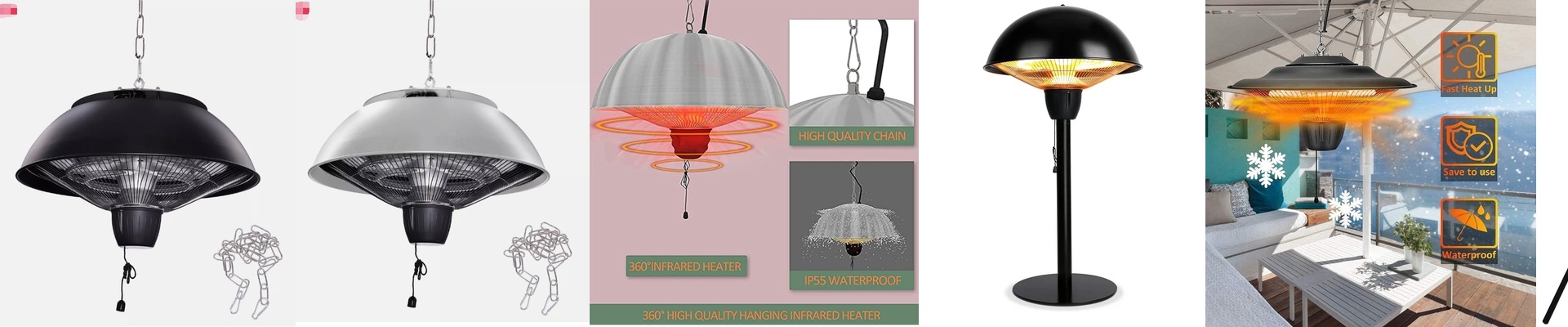
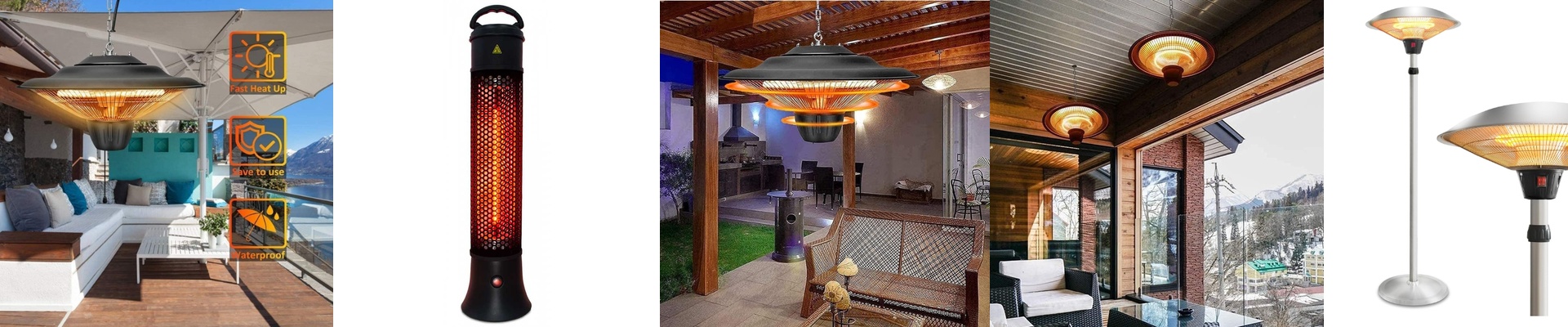
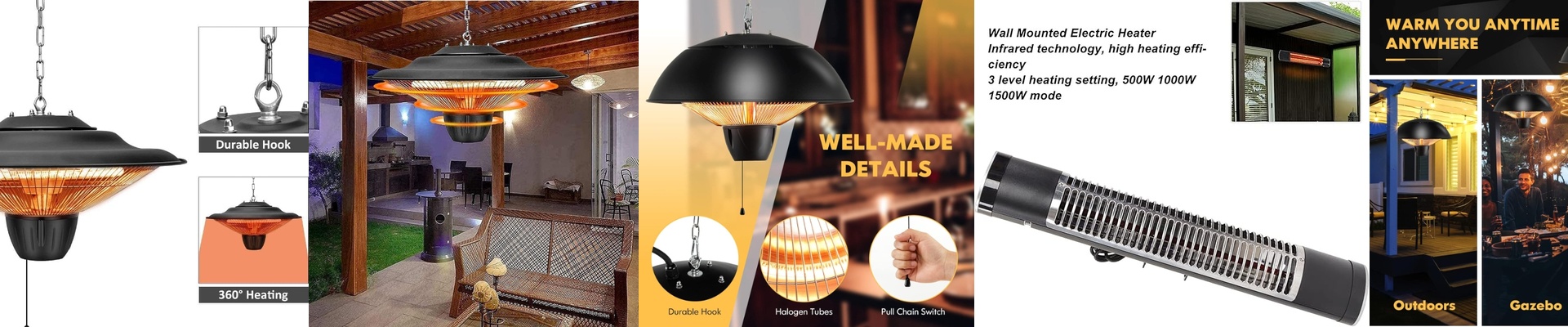
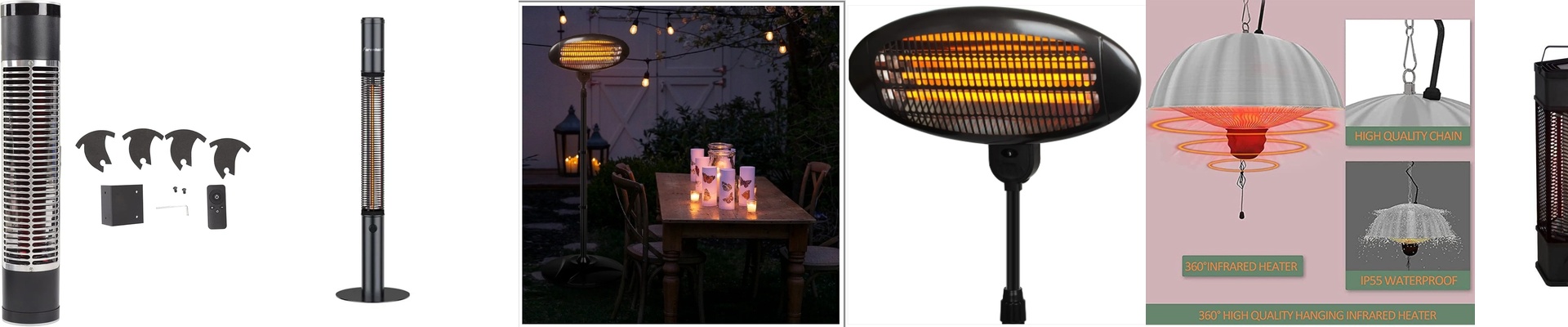
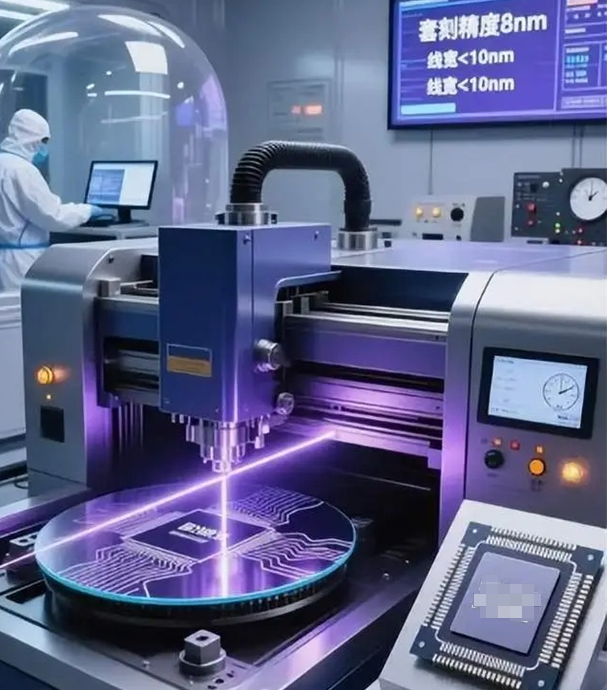
On the lithography floor, photoresist bake is where your thermal budget turns into line-width control. Soft bake drifting by even a degree changes how the solvent clears out. And if hard bake isn’t consistent across the wafer, you can forget about tight CD uniformity. That’s exactly where carbon nanotube fabrication heaters earn their keep.
What matters, technically
We built these heaters around short-wave infrared with a carbon nanotube emitter. They hit setpoint fast and hold steady. The payoff is a thermal field across the wafer plane that’s uniform within a sub-millimeter, with wafer-level uniformity of ±0.1°C at typical photoresist bake temperatures. Repeatability comes in under 0.05°C setpoint-to-setpoint drift over 24 hours, so every lot gets the same thermal profile. The system stays clean, generating zero particles, and it fits cleanroom environments from Class 1 to Class 100.
Why this works in production
In day-to-day runs, that precision translates into fewer rework lots and tighter CD distributions. Soft bake and hard bake windows become predictable, which cuts down exposure latitude issues and scum defects from incomplete solvent removal. Fast thermal response shortens bake cycles and trims energy use. And the 24/7 reliability helps keep unplanned downtime off the board. You get consistent photoresist performance, batch after batch.
What you need to know
These heaters drop into existing coat/bake tracks, but the thermal mass is low. That means you’ll need to re-tune the oven profile to match the quicker ramp. Keep the clearance around the emitter as designed—maintaining uniformity and preventing localized hot spots is non-negotiable. Line it up with your equipment vendor for the changeover, then run a short qualification lot to lock the recipe down.