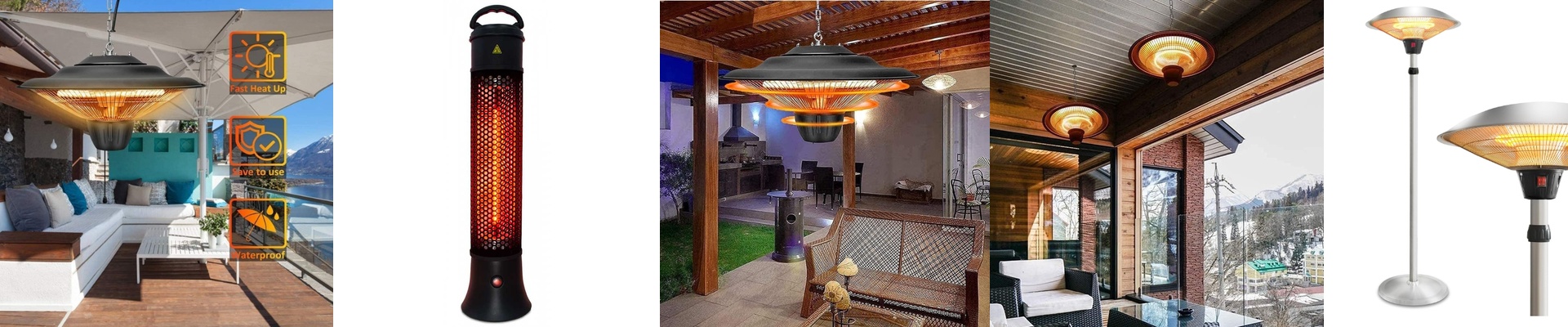
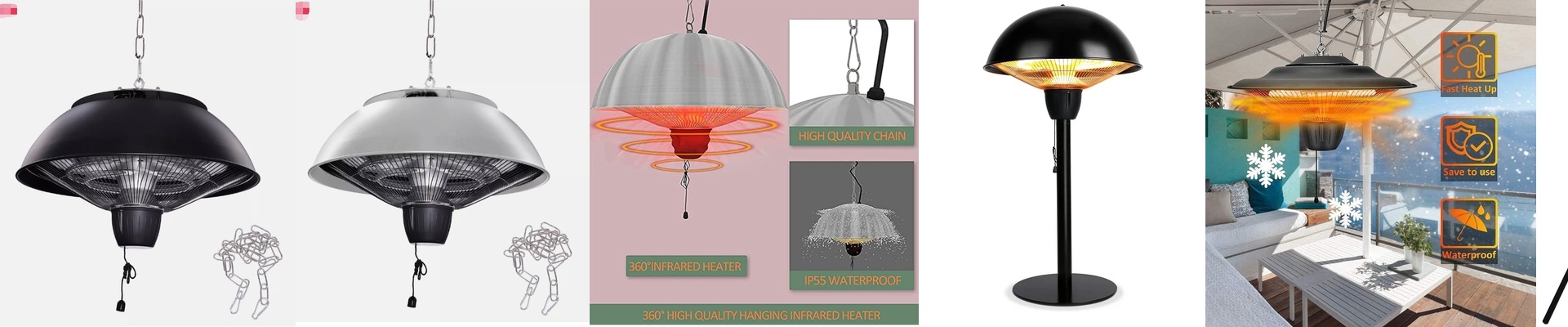
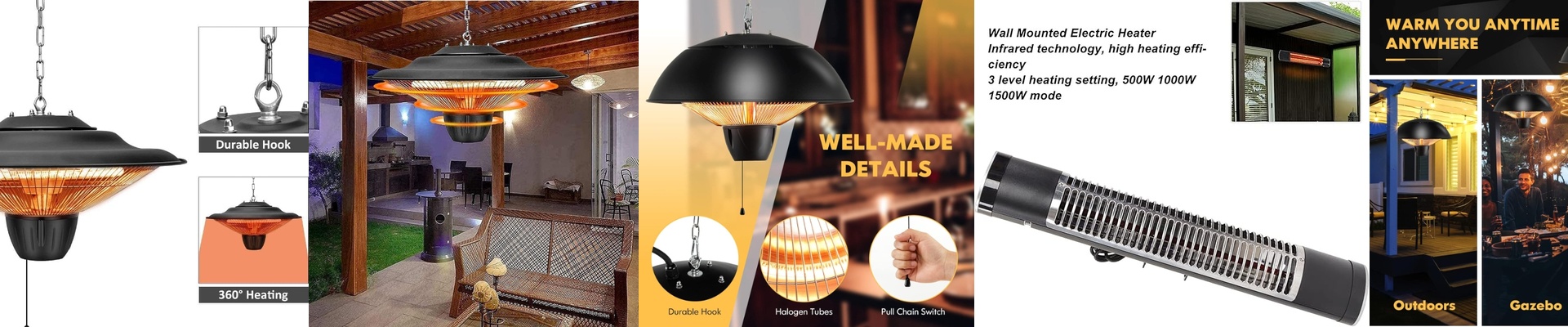
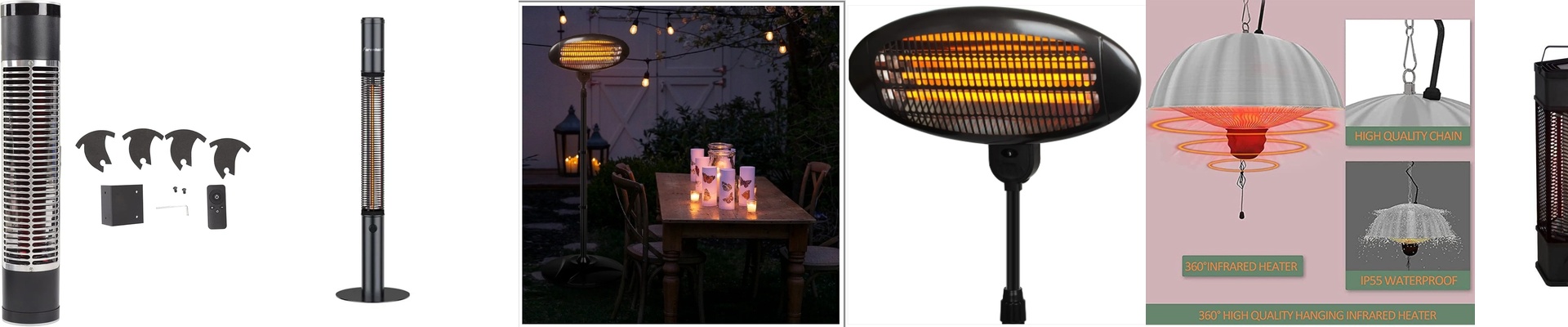
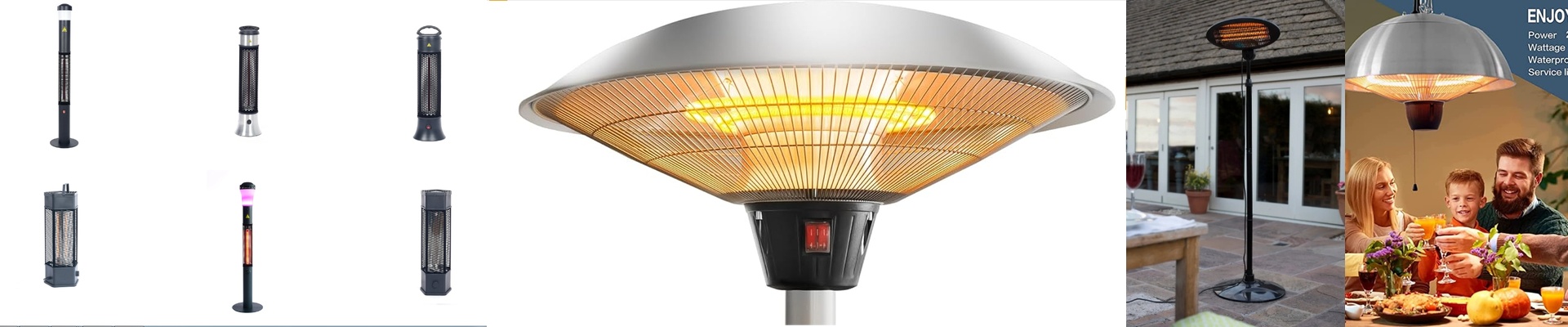
Why Infrared is the only real answer for glass-heavy rooms
Let’s talk about those gorgeous sunrooms and glass enclosures—sun-drenched, yes, but freezing once the sun goes down. Standard heaters try to warm the air, but all that glass just sucks the heat right back out. It’s a losing battle. Here’s the thing: we built dimmable infrared patio heaters specifically for this headache. Infrared doesn’t waste time heating the air. It goes straight to work warming the solid stuff—the floor, the chairs, and you. No air gap, no drama. The heat lands where it matters, so the glass can’t keep stealing it.
Power, voltage, and size—made practical
We pack serious heat into a small package. A typical 2500W, 400V setup gives you enough punch to cover a big area, and the high voltage means you can use thinner wiring than you would with 230V units. Less wire, lower cost. Simple. The tube length is about 300mm for a reason. It’s short enough to squeeze into tight attic ceilings or wall mounts, but long enough to spread the warmth evenly. And the dimmer? It’s not just for mood lighting. It lets you dial the heat down during shoulder seasons, so you don’t overshoot and end up opening windows in January.
What’s inside, and why it matters
Inside, you’ve got a halogen-filled quartz tube. Quartz handles the wild temperature swings glass rooms go through, no problem. The halogen gas protects the filament, which means a longer life and no dimming over time. The tube is also coated to focus the energy into the wavelength that feels best on your skin—warmth you can actually feel, not just measure. And the R7s connector? It’s a tough, double-ended industrial standard that locks in a solid mechanical and electrical fit, ready for the vibration and expansion that come with the job.
How it feels in a real sunroom
In an attic sunroom, the real fight isn’t heating the air—it’s keeping the heat from bleeding through the glass. Our dimmable infrared heaters warm the solid mass of the room, creating a kind of thermal buffer. Once the room is “charged,” the dimmer keeps things steady without the on-off cycling. It’s a straightforward swap for existing infrared systems. You will need to plan the placement so you don’t get hot spots, but the payoff is worth it: a stable, cozy space—even on the coldest nights.