


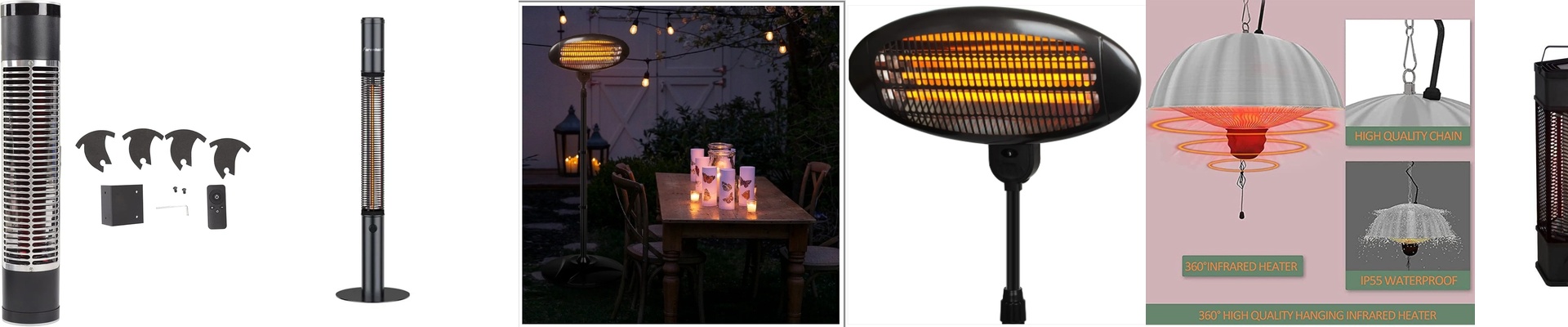

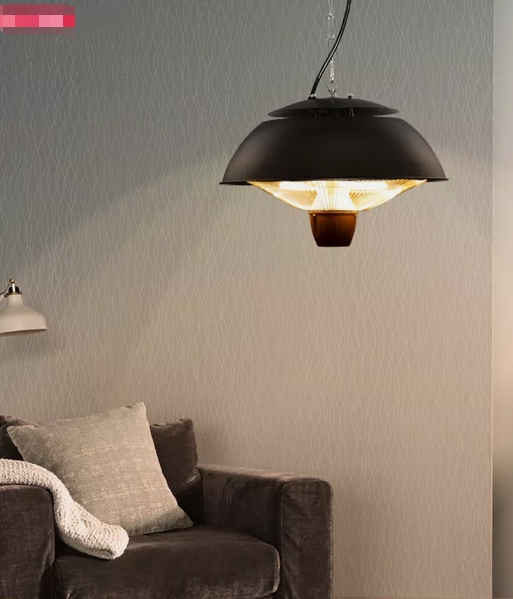
A quiet desk only feels quiet when your hands and feet aren’t fighting the cold. When the air turns thin and your focus starts to drift, a desk heater has to deliver heat right now—no warm-up wait, no noise, and no second-guessing the settings.
What matters, technically
Our desk infrared heaters lean on radiant heat, using a halogen/quartz element to send warmth the same way sunlight warms a surface—direct, not drafty. That’s why the response is quick: you feel it within seconds, instead of waiting through the long spin-up you get with fan-forced units. We keep the footprint small and the glow low-glare, so the light stays comfortable while you work. For safety, the heater is built with tip-over protection and overheat protection, and the base is stable enough for real tabletop use.
Why it holds up in practice
Before a unit leaves our facility, we run every one through 100% full-power aging. Each heater is switched on at full load for a full factory burn-in cycle, then checked again. That process catches weak solder joints, marginal components, and early-life inconsistencies during testing—not on your desk. The payoff is fewer field failures and a lower defect rate, which means dependable warmth on day one and steady performance through long work hours. Infrared warmth also helps in a practical way: it eases stiff hands, supports better circulation, and keeps your core feeling steady so you can type, sketch, or take calls without the cold pulling your attention.
The details that make the difference
Because infrared heats objects and skin directly, the comfort is most noticeable up close. Keep the heater about an arm’s length away for the best feel, and don’t cover the unit or set it near paper, fabric, or other sensitive items. Plug it into a grounded outlet on a dedicated circuit when you can. If your desk area is damp, give the heater adequate clearance and ventilation.