
Cutting Carbon in the Fab: Why we’re switching to IR for rinse cycles
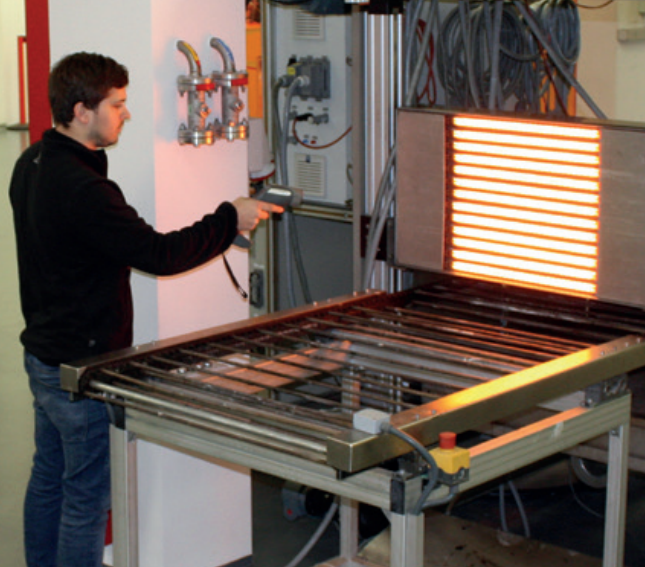
Let’s be honest: the rinse stage in semiconductor fab is an absolute energy hog. For years, we’ve just accepted the cost of keeping massive tanks of DI water hot or running convection ovens around the clock. It’s wasteful. That’s why we started using waterproof infrared (IR) lamps instead. We’re basically cutting out the middleman. Instead of heating the air or the water, we heat the wafer.
Making lamps that actually survive the wet zone
You can’t just throw a standard lamp into a rinse chamber; it would be dead in a heartbeat. The moisture is brutal. We use high-purity quartz envelopes, but the real secret is in the seals. If the lead-in wires aren’t hermetically sealed, vapor creeps in and fries the filament. It’s a nightmare to replace, so we get the seal right the first time. The best part? These things react instantly. The second that wafer hits the drying phase, the heat is there. No waiting for a tank to recover its temperature.
The physics of doing things faster
Here is the thing about short-wave IR: it cuts through water films way faster than hot air ever could. The energy goes straight into the substrate. This means your cycle times shrink. And when your cycles are shorter, you’re pulling less power per wafer. When you multiply that across a fab with hundreds of tools, the energy savings are massive. You can actually see the kWh per unit drop on the meter.
The “gotchas” and the trade-offs
Now, it’s not just “plug and play.” These lamps put out a lot of concentrated heat. If you just toss them into an old chassis, you risk warping the tool frame. You’ve got to make sure your housing can handle the temperature. Also, those waterproof coatings we talked about? They block a tiny bit of the IR light. To make up for that, we usually bump the wattage up by about 5% or 10%. It’s a small price to pay for a lamp that doesn’t blow out. We’ve designed these to be easy replacements for those clunky legacy heaters. You just wire them into a PID controller, set your temp, and you can finally stop messing around with steam-fed heat exchangers.