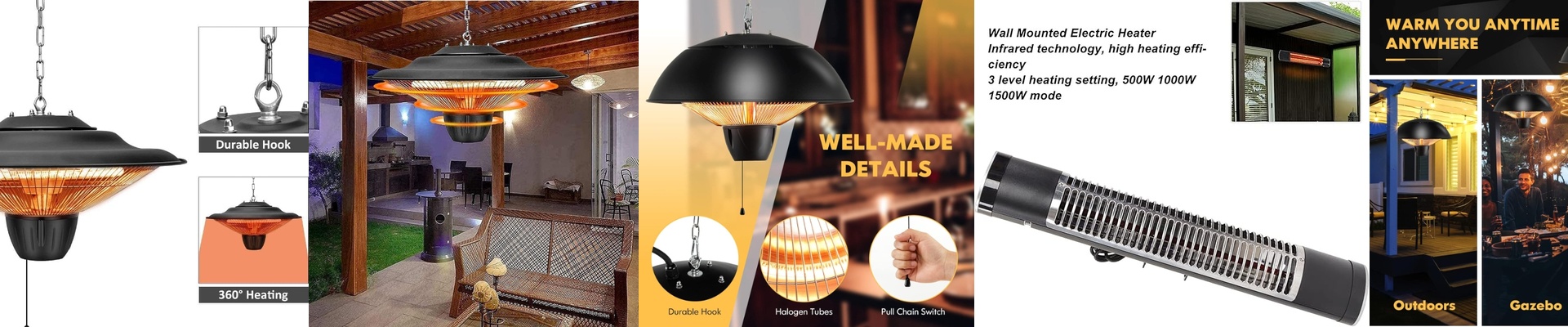
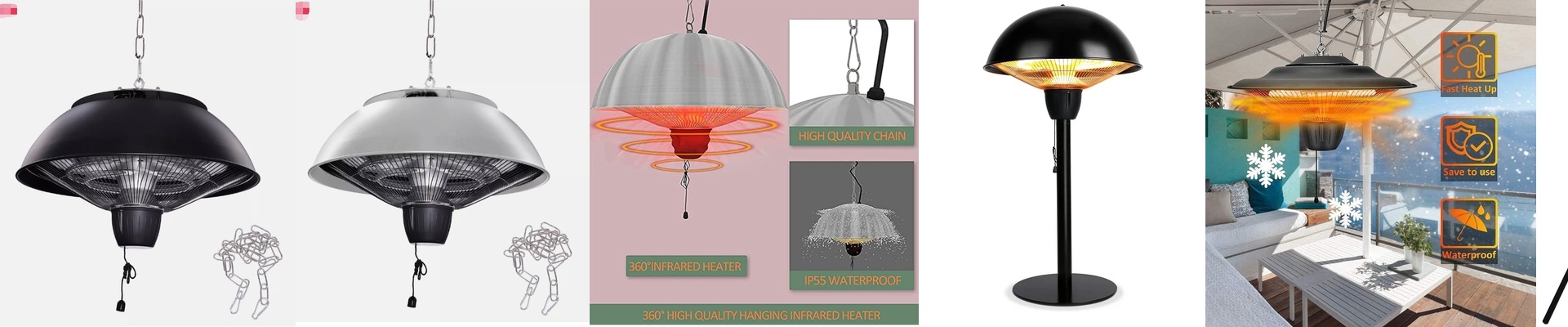

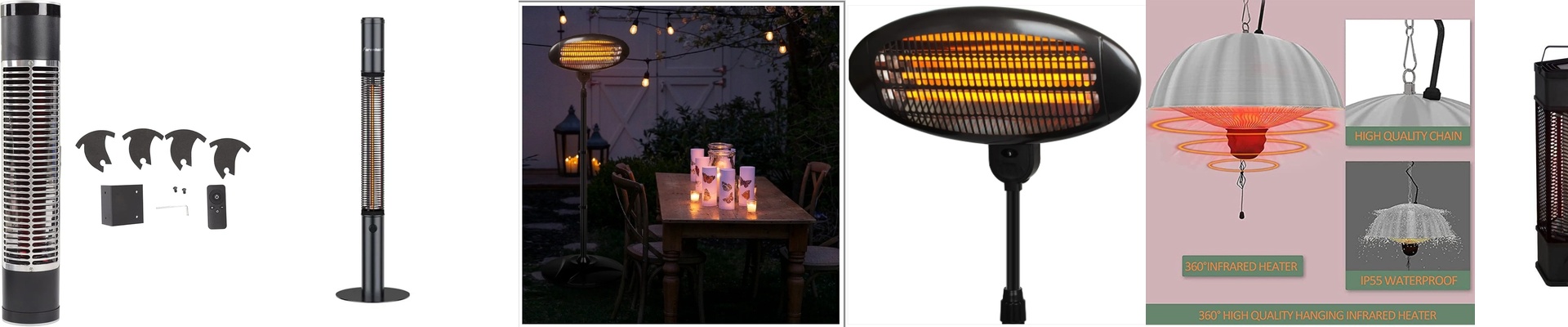


Why Your Patio Heaters Actually Die (And How We Fixed It)
If you’ve ever run a bar or a restaurant with an outdoor patio, you know the deal. It’s a nightmare for equipment. You’ve got these high-wattage infrared heaters cranking out heat, then shutting off, all while getting blasted by rain, humidity, and—if you’re near the coast—salt air. Most people think the heating element is what gives out first. But it’s usually something much smaller. The real trouble starts right where the lead wires plug into the quartz tube.
The “Glue” Problem
Here’s the thing: a lot of the cheap heaters on the market just use basic silicone or some generic adhesive to seal those wires. It works for a while. But once those heaters hit those crazy high temperatures over and over, that glue starts to crack. Once there’s a crack, moisture sneaks in. It hits the internal filaments, causes oxidation, and—boom. Your heater is a paperweight. We decided to do it differently. Instead of relying on a bit of glue, we use a multi-stage compression seal with high-temp fluoropolymer resins. It’s basically a gas-tight barrier. It keeps the oxygen and water out of the electrical contacts so the heater actually lasts.
Keeping Things Safe
When you’re dealing with this much power, any tiny gap in the insulation is a big deal. If the seal is sloppy, you get something called “carbon tracking.” Basically, a path forms across the wire, the unit arcs, and you’ve got a fire risk on your hands. We spent a lot of time on the “transition zone”—that tiny area where the wire meets the seal. We make sure the insulation stays thick and consistent right up to the edge. This stops those annoying “hot spots” from burning through the wire jacket. It’s a small detail. Most factories skip it because it adds a few seconds to the assembly line, but those seconds are what keep your patio safe.
A Quick Tip on Installation
Now, there is one trade-off. To get this kind of protection, the seals have to be heavy-duty. That makes the lead wires a bit stiffer than the cheap stuff. Because of that, don’t try to force the wires into a tight corner. Give them some slack. If you pull too hard on those leads during install, you could actually mess up the vacuum seal of the tube. Just leave a little breathing room, and you’re golden.