Keeping the Rain and Grit Out of Your Patio Heaters
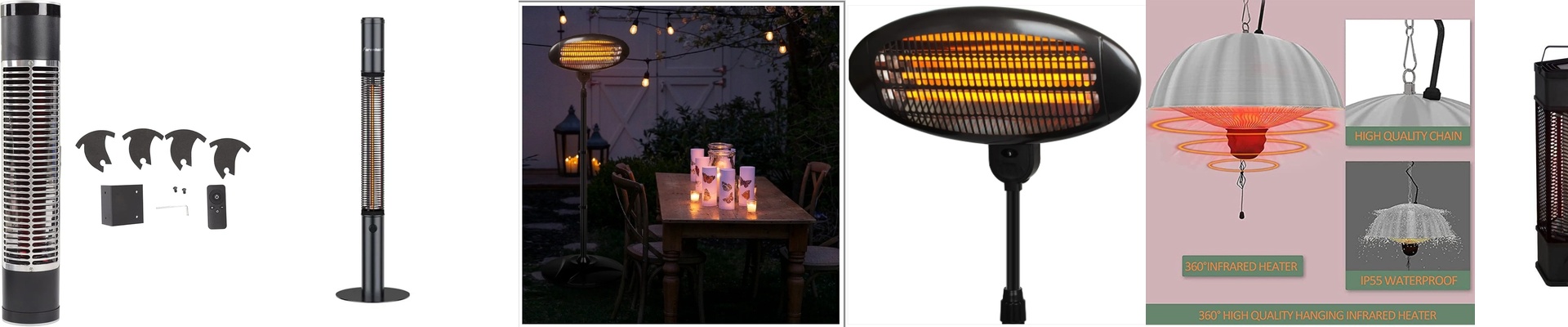
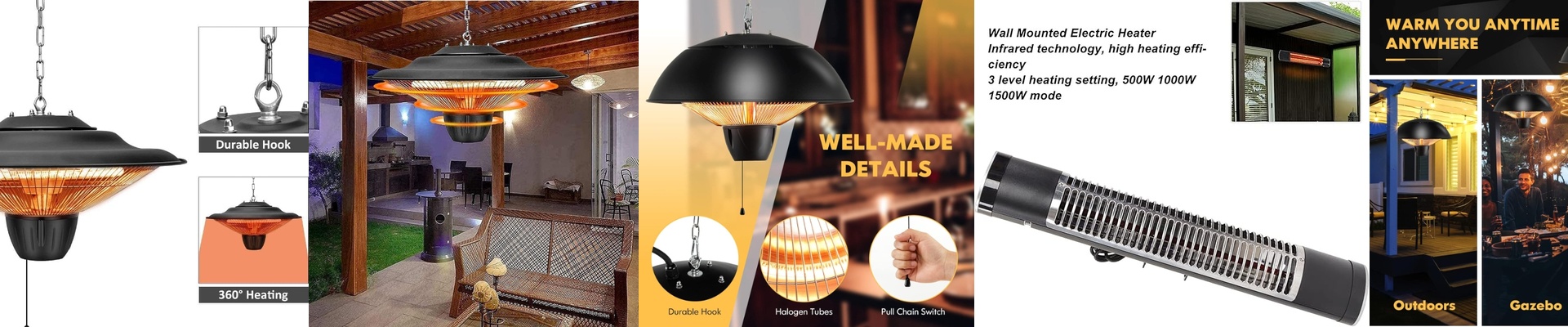
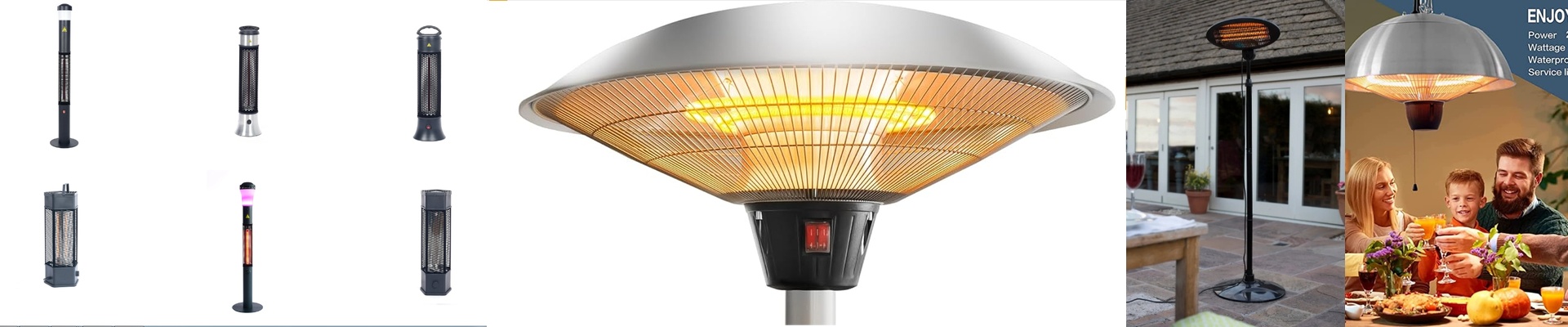
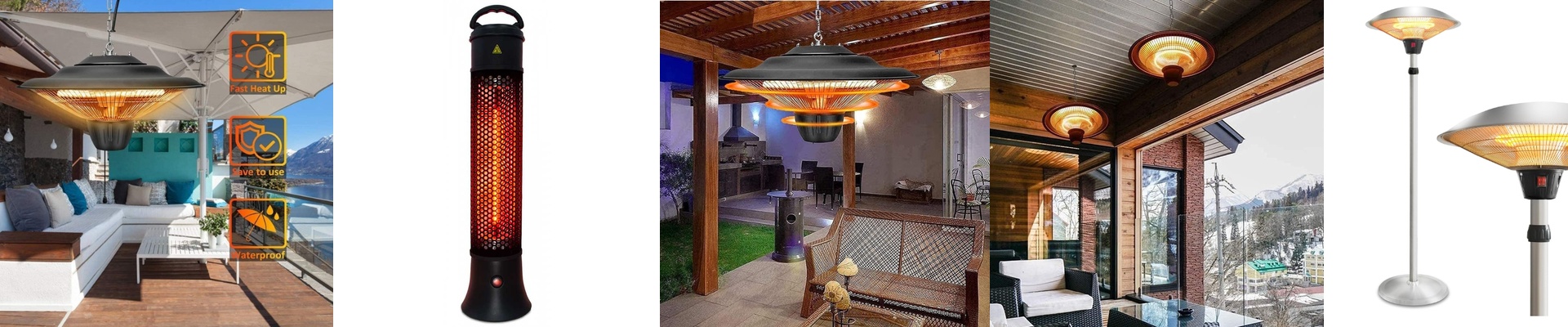
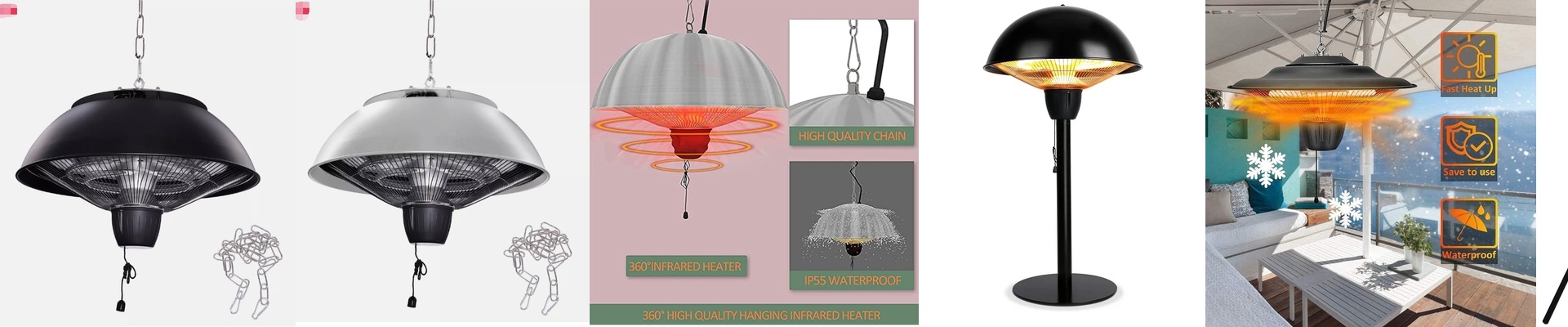
If you’re putting a heater outdoors, you’re basically inviting two things to try and kill it: dust and moisture. It’s a constant battle. That’s why we build our units to an IP55 standard. In plain English? We make sure the guts of the machine stay dry and clean, no matter what the weather throws at them.
What IP55 actually looks like
You’ll see “IP55” on the spec sheet, but here is what that means in the real world. It means if a stray spray of water hits the unit from any angle, it isn’t getting inside. We do this by sealing up the junction box and slapping gaskets around the reflector housing. It stops splashes from dripping straight into the wiring. Without those seals, water creates these tiny “bridges” on the circuit board. Once that happens, you get a short circuit, and your heater becomes an expensive piece of scrap metal.
The hidden danger: Mist and Fog
Rain is obvious, but mist? That’s the silent killer. Think about when a heater cools down on a humid night. Tiny droplets of condensation form right on the quartz tube. If those droplets are still there when the lamp kicks back on, the sudden heat shock can literally crack the glass. To stop that, we use specific seals and airflow paths. We keep the electrical connections totally isolated from the outside air. This stops “creepage”—which is just a fancy way of saying we stop electricity from jumping between terminals because of dampness.
The trade-off (Because nothing is perfect)
Here is the catch. When you seal a box tight to keep water out, you lose some of that natural airflow. Because we’ve tightened everything up for that IP55 rating, the internal parts run a bit hotter than they would in a wide-open frame. This is where you come in.You have to give the heater room to breathe. If you cram it too close to a ceiling or tuck it deep into a tight soffit, the heat has nowhere to go, and you risk frying the internal wiring. Give it some space. At the end of the day, we build these things to take a beating. Your heater lasts longer because the elements aren’t eating away at the metal or causing electrical arcs. It’s simple: keep the water out, and the heat stays on.