

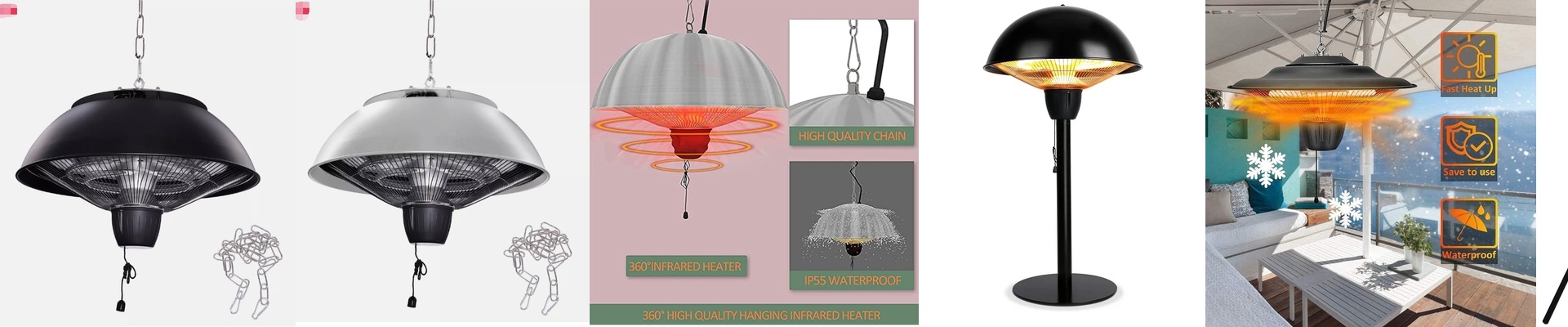
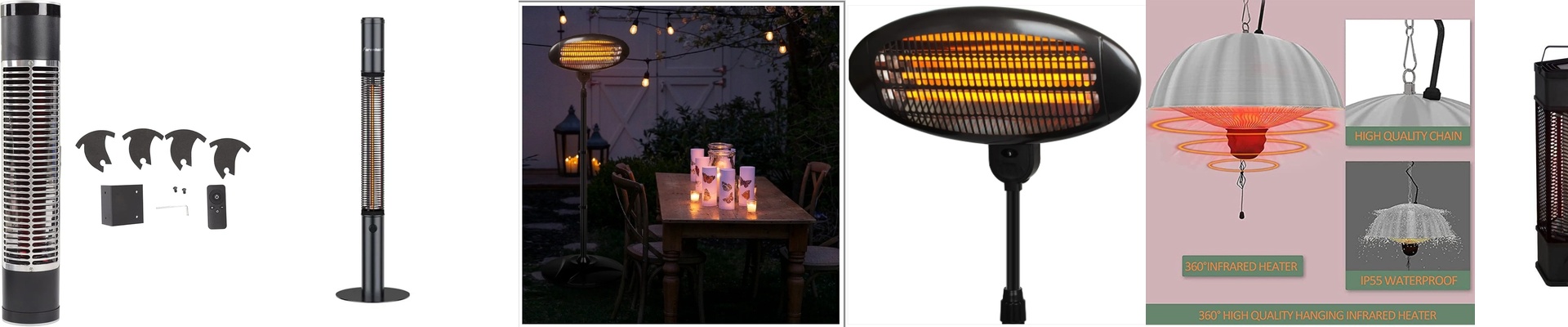


Getting Your Bathroom Heat Right: A No-Nonsense Guide to Infrared
Let’s be honest—nobody likes stepping out of a hot shower into a freezing cold bathroom. It’s a shock to the system. But if you’re putting a heater in a wet zone, you can’t just grab any random unit off the shelf. You need something that won’t freak out when it gets hit with steam or a stray splash of water. That’s where IP55-rated heaters come in. Basically, they’re built to keep dust and water jets out of the electrical guts. It means you get the warmth without the worry of a short circuit.
Picking the Right Power
Here is the thing: more power isn’t always better. If you put a massive heater in a tiny powder room, you’re not just wasting electricity—you’re creating a “heat pocket” that feels oppressive and uncomfortable. If your space is small (under 4m²), stick with something in the400W to 600Wrange. It’s plenty. For a medium bathroom (5-10m²), you’ll probably want to bump that up to800W or 1200W. And for those big master baths? Don’t just buy one giant 2000W lamp. You’ll end up with one scorching hot spot and a few freezing corners. Instead, split the load. Two 1000W lamps spread out will make the whole room feel cozy and balanced.
How It Actually Works
These aren’t your typical space heaters. Most heaters try to warm up the air, but air escapes the moment you open the door. Infrared is different. It’s like standing in the sun. The heat hits your skin and the tiles directly. Because of that, you can actually keep your thermostat lower but still feel just as warm. We also use specific coatings on the quartz glass tubes. Why? Because we want the heat pushingdowntoward you, not warming up your ceiling.
One Thing to Watch Out For
Higher wattage gets the room warm faster. That sounds great, right? Well, there’s a catch. High-power lamps pull more current. If you try to wire a 1200W unit into a circuit that was only meant for 400W, you’re asking for trouble. You might trip your breakers or, worse, overheat your junction box. Before you start wiring things up, just double-check your amperage limits. It takes two minutes, and it saves you a massive headache later.