

Keeping Your Outdoor Heaters Dry and Clear: The Real Story
Let’s be honest: the outdoors is brutal on electronics. Between the sudden rain showers and those weird temperature swings, most outdoor heaters are basically ticking time bombs. One bad storm, and you’ve got water seeping into the guts of the machine, shorting out the circuits, and leaving you with a very expensive piece of scrap metal. We didn’t want that. So we spent a lot of time figuring out how to actually keep the water out.
Dealing with the Wet Stuff
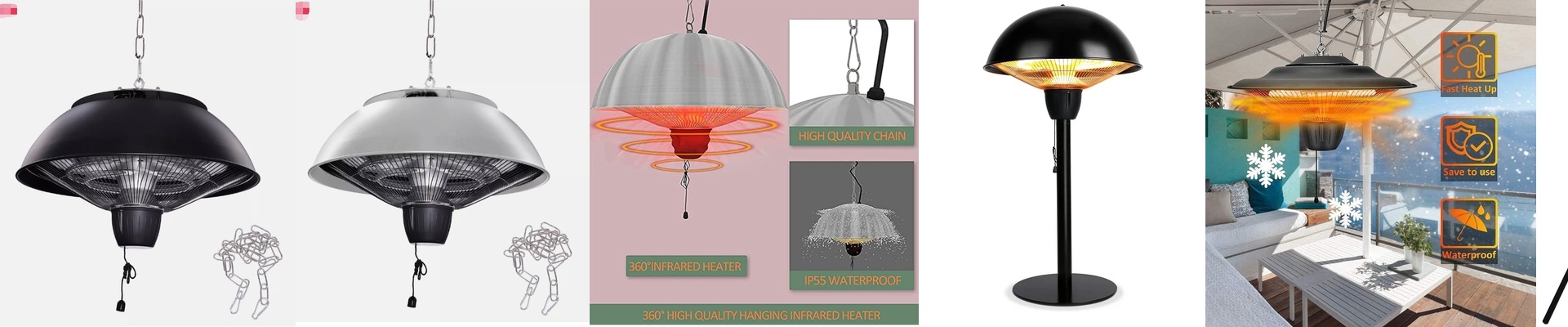
Most cheap heaters fail for a simple reason: water hits a scorching hot quartz tube or leaks straight into the electrical housing. It’s a recipe for disaster. You get these localized hotspots or electrical arcs, and then—pop—the unit burns out. We handled this by rethinking the geometry. We use specific seals and splash guards that basically tell the water, “Go that way.” The real battle is the seal between the lamp holder and the chassis. If water gets into that socket, it’s game over. We use gaskets that keep the inside bone-dry, but still let the unit breathe. It’s a delicate balance, but it works.
The Fogging Headache
Then there’s the fog. You know that cloudy film that appears on the reflector when the air hits a certain temperature? It looks annoying, but it’s actually a performance killer. That layer of condensation blocks the infrared radiation, which means you’re not actually feeling the heat. To fix this, we put a special anti-fog coating on the optics. It changes the surface tension so water just beads up and rolls right off. No film, no fog, just heat.
The Balancing Act
Here’s the tricky part: if you seal a heater too tight to keep the rain out, you end up trapping the heat inside. You basically cook your own wiring. We had to find a middle ground. We use strategic venting that keeps the IP rating high enough to take a beating from the rain, but open enough that the internal components don’t melt themselves. One last tip for when you’re setting these up: check your breakers. These units pull a lot of current the second you flip the switch to get those elements glowing. If your circuit isn’t beefy enough, you’ll be tripping the breaker before your guests even feel a breeze.