Stop Wasting Heat When Making Bio-sensors
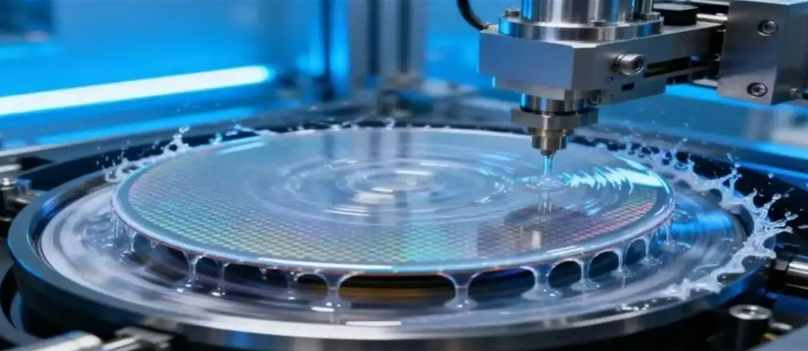
If you’ve ever spent time fabricating bio-sensors, you know that heat is your best friend and your worst enemy. One of the biggest pains in tool design is what we call “wall heating.” It’s a mess. Most standard IR lamps just throw energy everywhere. They radiate in every direction, which basically turns the inner walls of your expensive gear into giant heat sinks. It’s a waste of power. Worse, it makes the machine casing dangerously hot for whoever is operating it, and it can throw your process temperature completely off track. Getting the heat where it actually belongs The fix is pretty simple: stop heating everything and start heating specifically. Instead of using a bare quartz tube that blasts heat 360 degrees, we use wavelength-tuned IR lamps paired with specialized reflectors. Think of it like switching from a lightbulb to a flashlight. By narrowing that beam, we push all that energy straight onto the substrate. The result? The energy hits the chemical reaction, not the machine walls. Keeping things cool (and safe) Here is the thing: high-wattage IR lamps pack a punch. If your reflectors aren’t dialed in, you’ll end up with thermal hotspots that can actually warp your internal parts. We spend a lot of time on the lamp coating emissivity just to make sure the energy is pushed forward. You’ll actually feel the difference. The external chassis stays cool. That means your operators can swap out a wafer without worrying about getting burned. The catch Now, this isn’t some magic fix. When you narrow the beam, the intensity at the focal point spikes. If your substrate is slightly tilted or your Z-axis is off by even a few millimeters, you’re going to get uneven heating across your sensor array. You have to find that sweet spot between the beam angle and your mechanical tolerances. If you don’t, you’ll see “hot spots” on the sensor surface. And trust me, getting the lamp distance calibrated perfectly is the one thing you absolutely cannot skip.