Keeping Your Bio-Sensors Spotless While You Heat Them
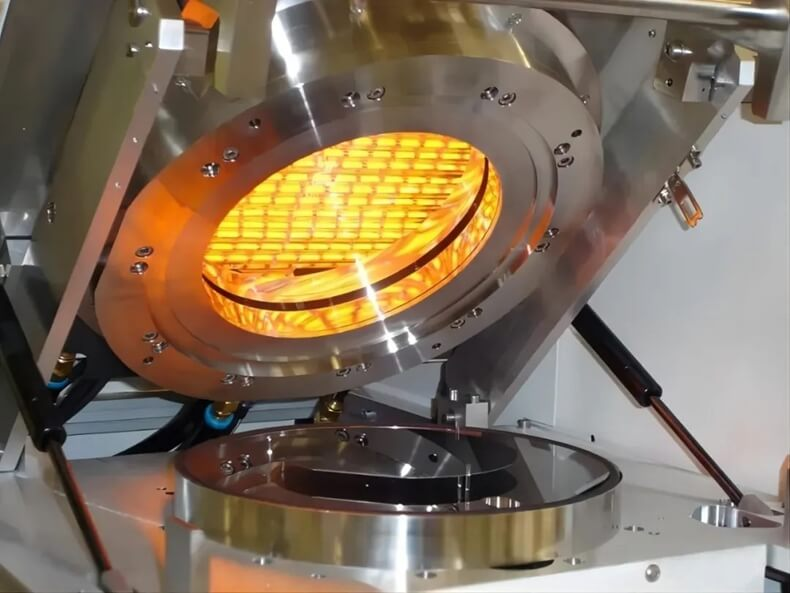
When you’re building bio-sensors, a single speck of dust isn’t just an annoyance—it’s a disaster. One tiny particle lands in the wrong spot, and your whole batch is trash. If you’re working in a Class 100 cleanroom, you can’t just throw in any old heating element. Most of them “off-gas” or flake off little bits of debris as they get hot. That’s why we stick with high-purity synthetic quartz infrared lamps. Why bother with high-purity quartz? Here’s the thing: standard glass or cheap quartz starts to break down when things get hot. They can leak microscopic ions or shed particles right onto your work. It’s a nightmare. We use quartz that’s been scrubbed of the impurities that cause that off-gassing. It stays stable under thermal stress. No flaking, no shedding. Just clean heat. Getting the temperature right These lamps use short-wave IR radiation. The beauty of that is you can heat the actual sensor material without accidentally baking everything else in the assembly. It’s fast. Really fast. And it gives you a lot more control over your heat budget. But a word of caution: these things put out some serious localized heat. If you don’t get your cooling fans and housing materials right, you might find your cleanroom fixtures warping or—even worse—releasing their own fumes. Fitting them into your setup We keep the design dead simple because fewer parts mean fewer things to break. The lamps are sealed tight so no filament particles can sneak out. One pro tip: check your connectors. Make sure they’re rated for the heat. You don’t want your insulation melting and sending organic pollutants floating through your airflow. If your voltage and footprint match up, these are basically drop-in replacements for your current IR arrays. We’ve handled the material science on the quartz side so you don’t have to worry about it. The only thing hitting your sensors is infrared energy. No dust. No drama.