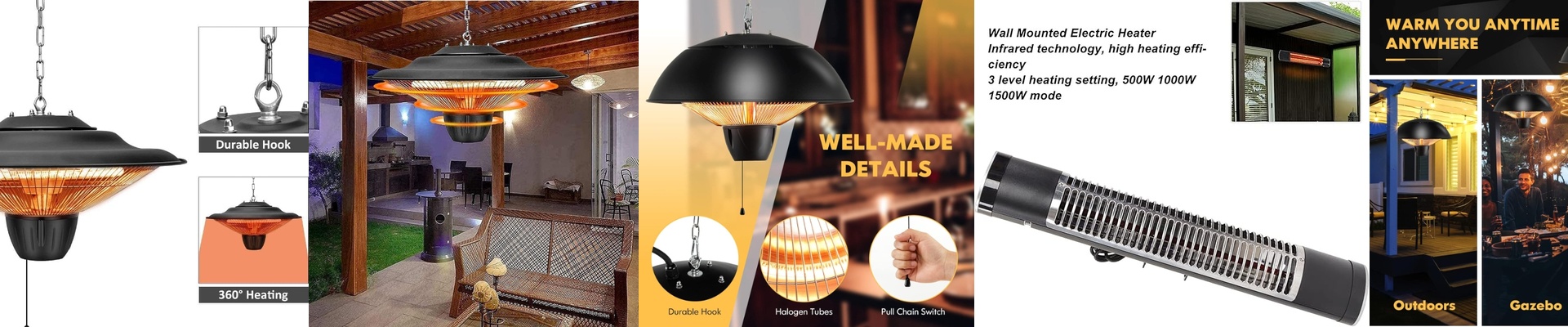

Why Most Patio Heaters Die (And How We Fixed It)
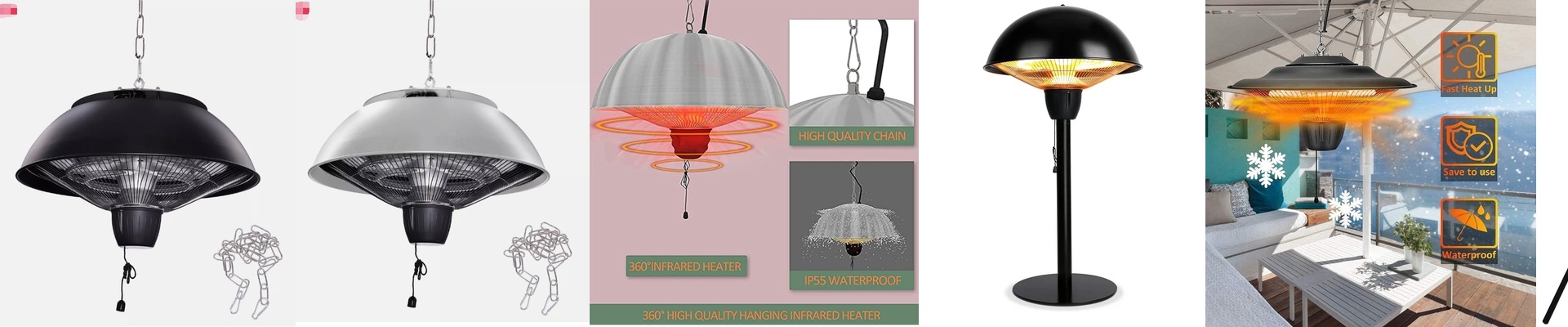
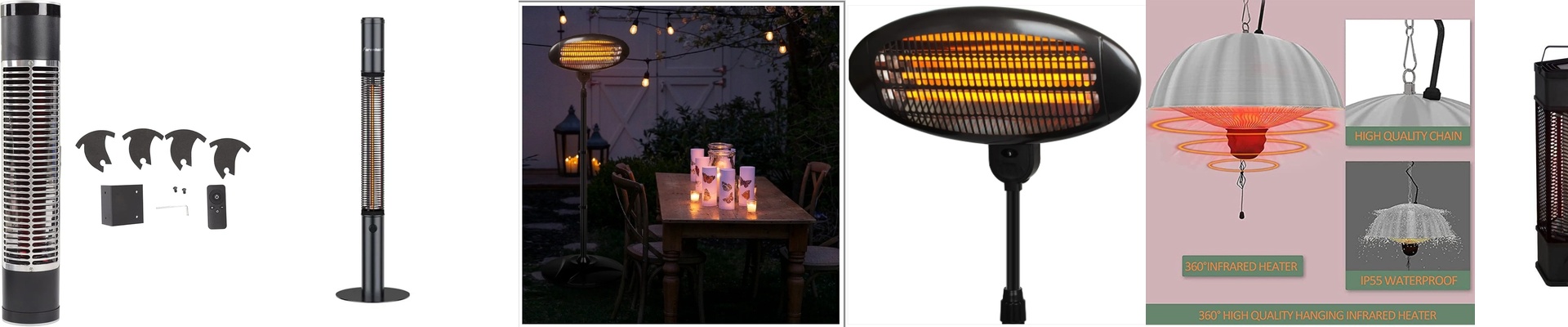
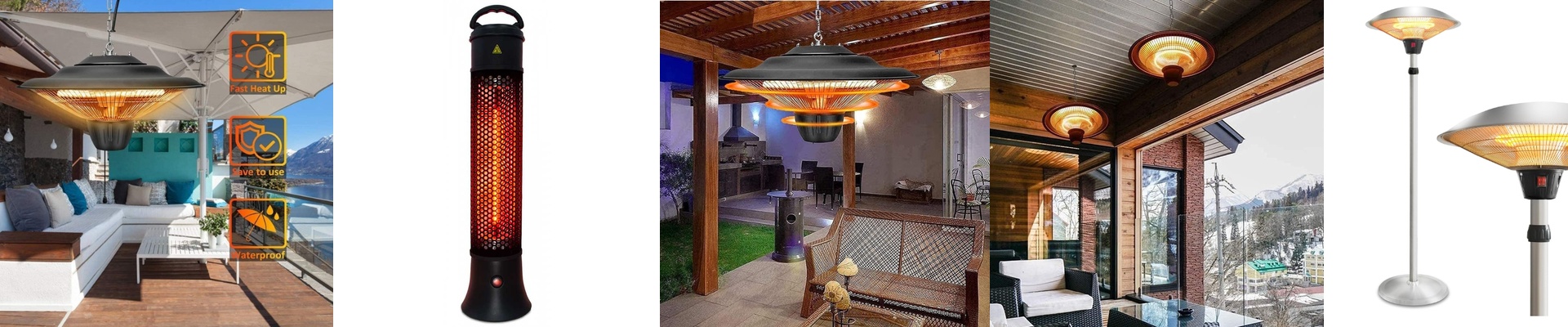
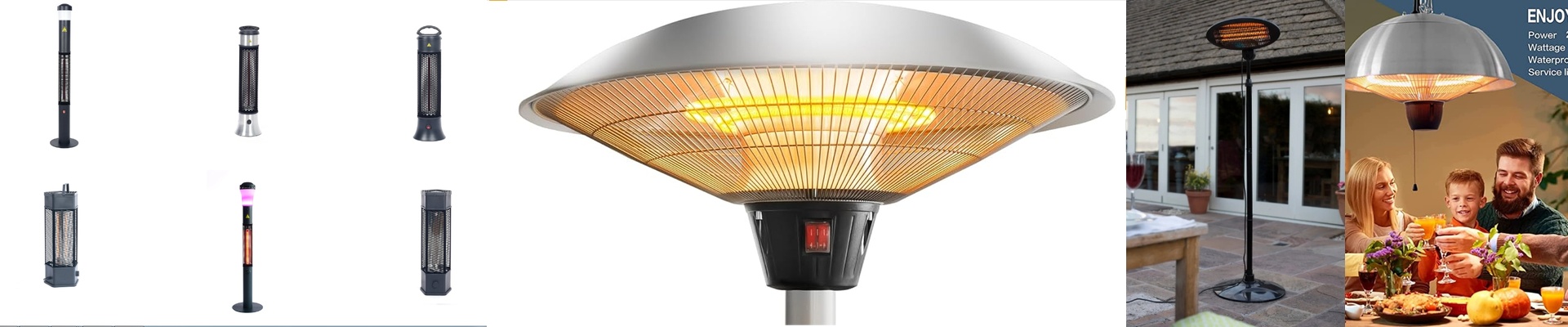
Here is the truth about infrared heaters: moisture is the enemy. Most of them fail for the same reason. Water vapor hits that searing hot quartz tube, creates a “thermal shock,” and leaves behind tiny micro-cracks. You won’t see it happening, but eventually, the tube just gives up and burns out. It’s frustrating, and it’s expensive. Keeping the guts dry We spent a lot of time obsessing over how to keep the internals bone-dry. Instead of just slapping some sealant on a box and calling it a day, we used actual gaskets and hydrophobic coatings. It matters. Especially if you live near the ocean. Salt spray eats through metal for breakfast, but our anti-corrosive housing stops that pitting and rust from taking over the chassis. Fighting the fog and the rain You know that annoying fog that happens when warm, damp air hits a cold surface? We picked specific materials for the lens and reflector to keep that from happening. Plus, we looked at where water actually goes when it rains. We moved the connection points away from the “drip line.” Now, water doesn’t just pool right where the power enters the unit. No pools, no shorts, no headaches. The one catch Now, there is a trade-off. When you seal something up tight to keep water out, heat can get trapped inside. Because of this, you can’t just jam the heater flush against a wall or ceiling. You need to give it some breathing room. Just make sure your mounting bracket allows for a bit of airflow around the back. If it’s packed too tight, the internals will run hotter. It’s a small price to pay for a heater that actually survives the winter. We’ve seen these units take a real beating outdoors. By blocking the moisture, we stop the heating element from quitting early. You get to spend more time enjoying your patio and less time ordering replacement parts.