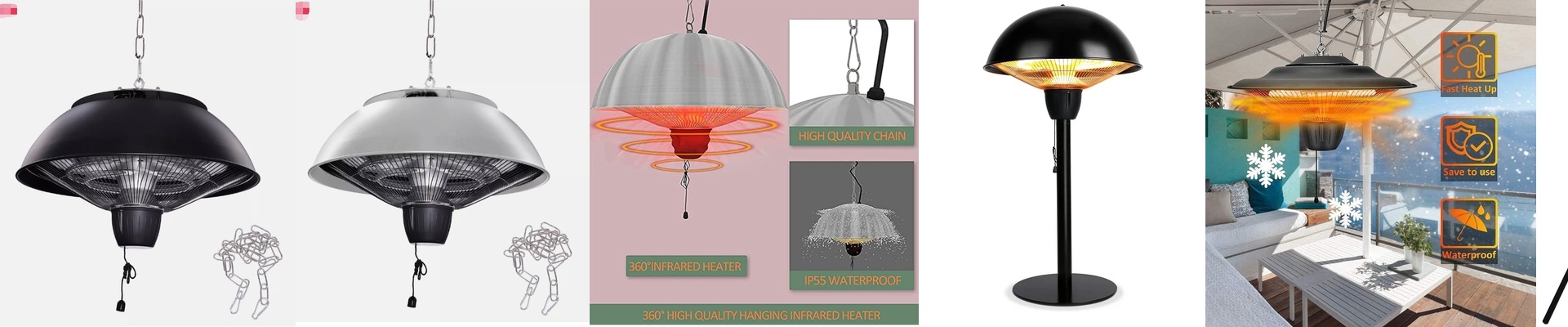
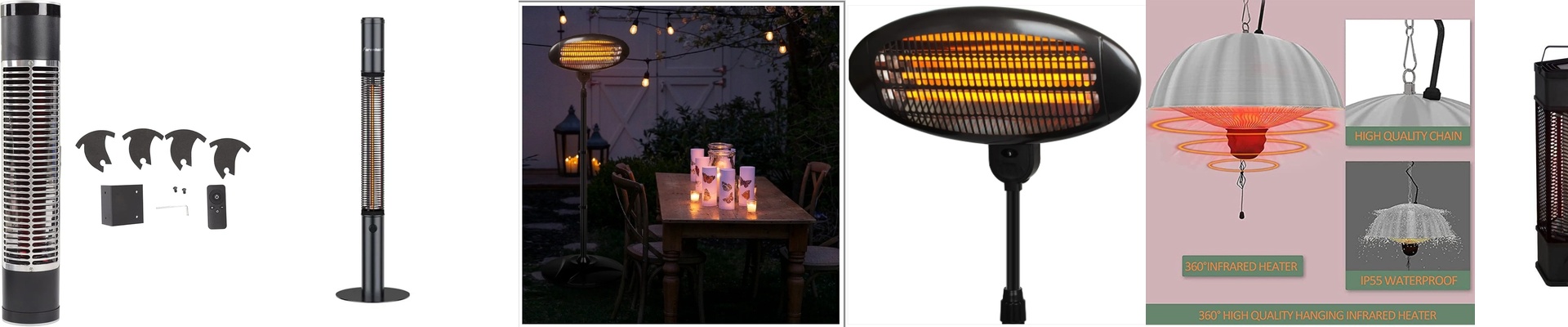
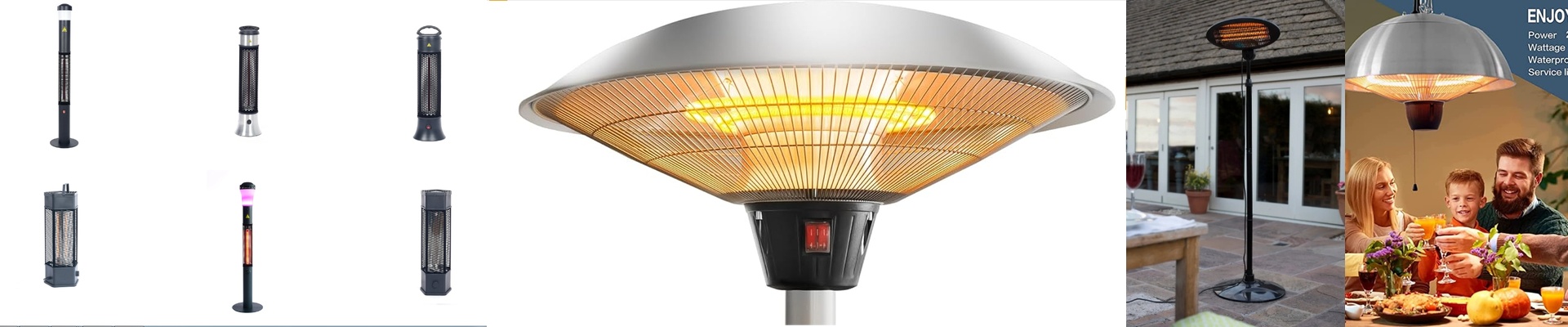
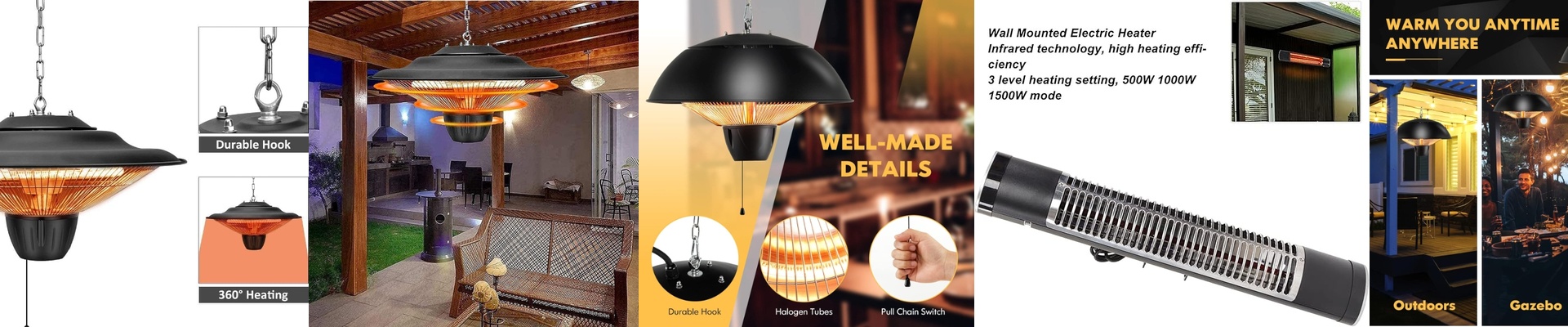
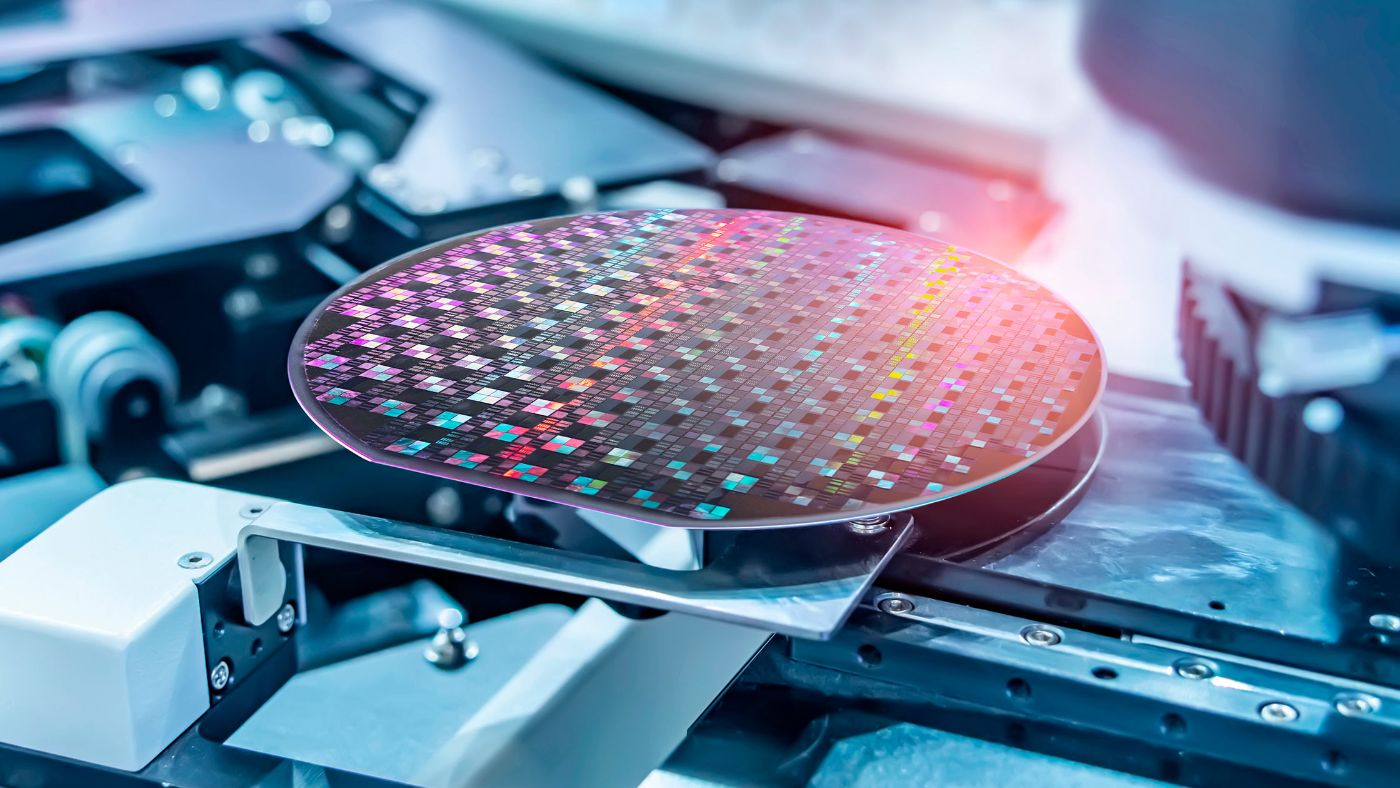
On the fab floor, a temperature wobble during drying or bake doesn’t just show up as a blip on the chart—it walks straight into yield. A 1°C drift shifts critical dimension by nanometers, and a dirty heater can dump particles that kill lots. We built a PID-controlled semiconductor heater to shut that variability down where it starts. What matters, technically. We pair a short-wave infrared emitter with a closed-loop PID controller to hold setpoint within ±0.1°C across the wafer. Chuck uniformity comes in better than ±0.5°C, so the entire photoresist layer gets the same thermal budget. Response is under 300 ms, which keeps ramps and soaks tight. The quartz window and cleanroom-compatible housing are rated for Class 1–100, and the heater geometry sheds zero particles at operating temperature. Over 24 hours, repeatability holds at ≤0.2°C drift—just enough to keep overlay and CD control in spec. Here’s how it plays out in the process. For wafer drying, the fast, uniform infrared flux pulls off surface moisture without cooking the substrate. That cuts surface-tension defects and kills streaking. In lithography, the same platform runs soft bake and hard bake with repeatable profiles—exactly what you need for consistent photoresist thickness, adhesion, and etch selectivity. The PID loop compensates for line sag, batch changes, and ambient shifts, so 3 a.m. looks like 3 p.m. And yes, energy use drops—infrared heats the target, not the frame. A couple of practical notes. Mounting comes down to emissivity and view factor. Dark coatings or shields can create local hot spots, so we ship a calibration map and recommend you validate with a thermal profiler on your exact chuck. The heater takes standard 24 V control and 110–240 V inputs, but PID tuning is application-specific. Plan a short commissioning run to lock in overshoot and settling time for your process.