
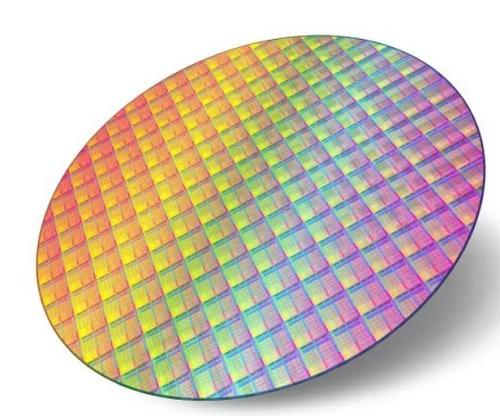
Getting More Heat Where It Actually Matters: Bio-sensor Wafers
When you’re fabricating bio-sensors, you need a very specific kind of heat. You’re trying to cure layers or snap chemical bonds into place on a wafer, and you need that heat to be dense and precise. But here’s the problem: standard infrared lamps are pretty wasteful. About half your energy just drifts off the back of the lamp, doing absolutely nothing for your wafer. It’s a waste of power and a waste of time. We fixed this by adding gold-coated reflectors to the assembly. Basically, we’re forcing every single watt of energy to move in one direction: toward your target. Why gold? It comes down to how light bounces. Aluminum is cheaper, sure, but gold is way better at reflecting infrared light without soaking it up. We put a thin layer of gold on the reflector so that any photons trying to escape out the back get bounced right back forward. The best part? You effectively double the heat hitting the wafer without having to pull more power from your electrical panel. Taming the heat When we design these lamps, we’re obsessed with energy density. We use the shape of the reflector to narrow the beam, concentrating the heat into a tight spot. This means you hit your activation temperature much faster. Plus, because the beam is so focused, you don’t have to worry about heat bleeding over into the sensor housing and ruining your margins. A few things to watch out for Getting these into your line is easy, but you can’t just “set it and forget it.” Because the gold reflectors are so efficient, your wafer temperature can spike fast. If your PID controllers aren’t calibrated just right, you’ll overshoot your target and end up burning the substrate. It happens. Just keep a close eye on those settings. And for heaven’s sake, keep the reflectors clean. A little bit of dust or a smudge of chemical vapor on that gold surface kills your reflectivity. You’ll start seeing hot spots, your energy focus disappears, and suddenly your cycle times start creeping up. Keep it shiny, and it’ll keep working.