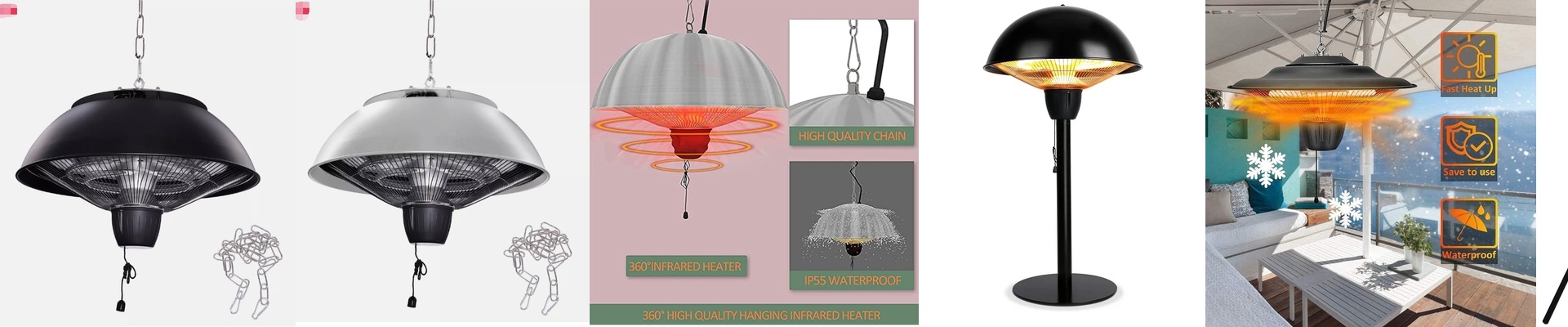
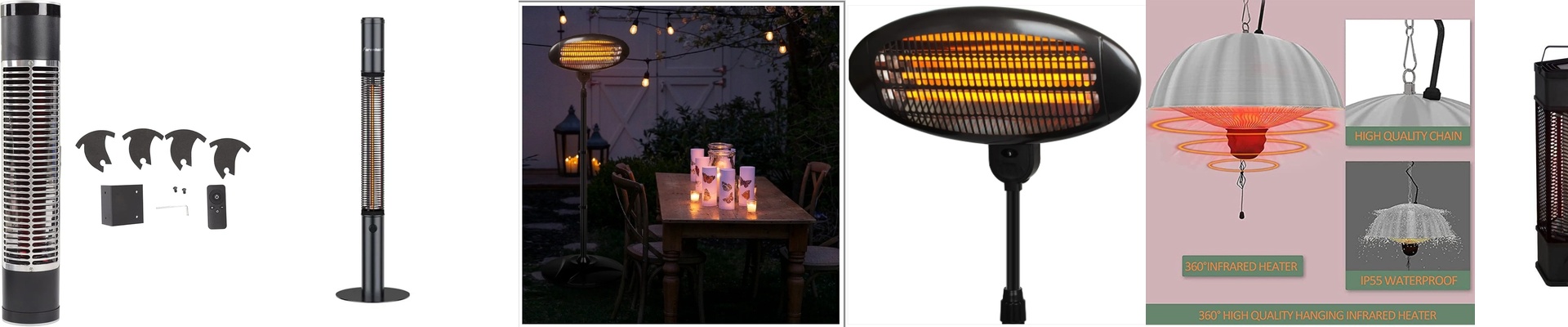
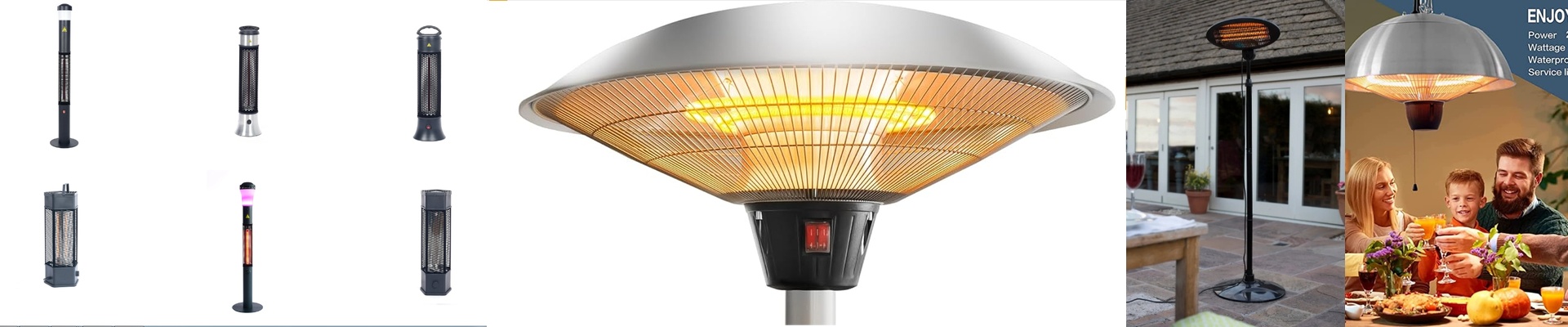
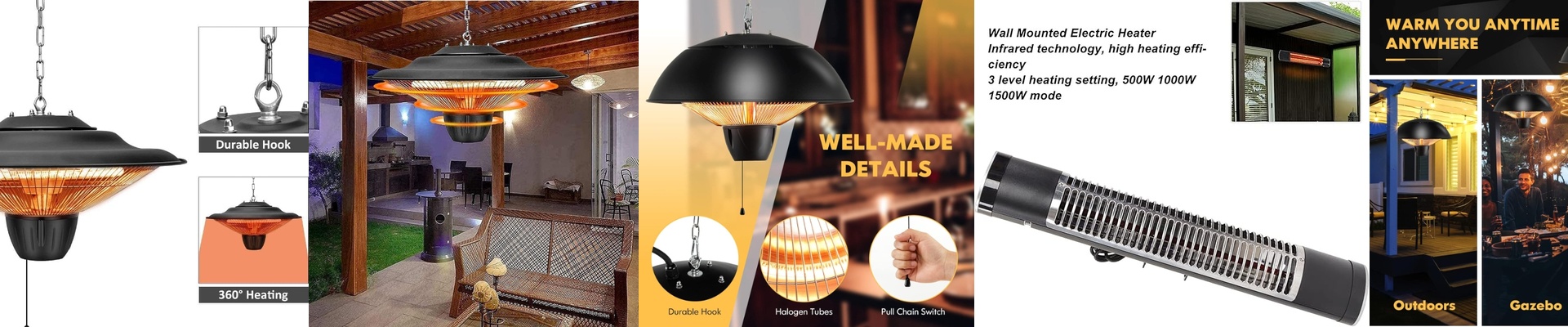
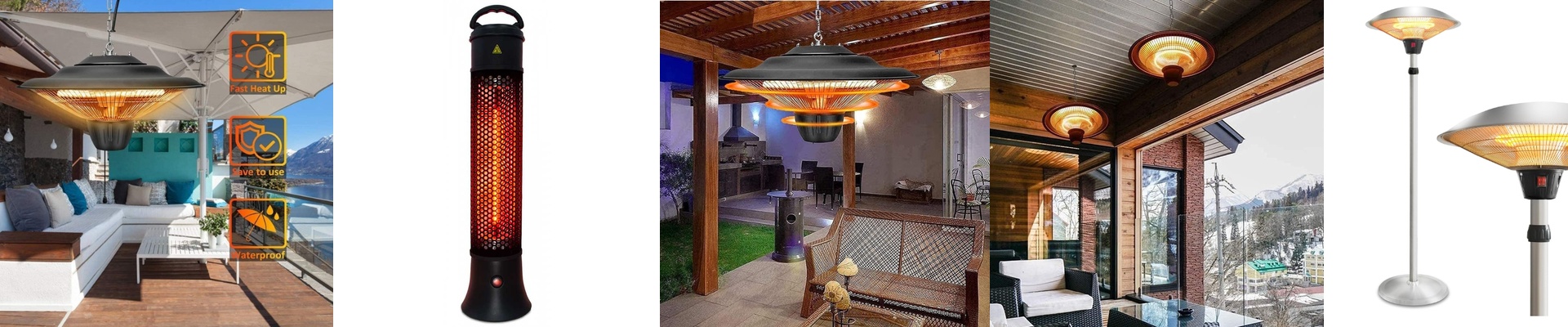
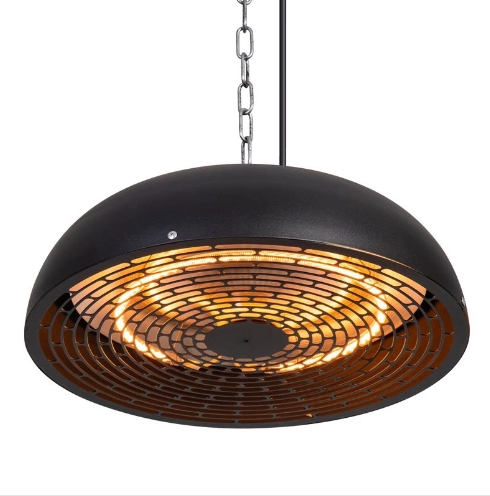
Fog rolls in fast, and a light drizzle turns into a steady mist. Out in that damp, open air, ordinary electric heaters fold. Condensation fogs internal parts, and stray splashes push the electronics toward an early grave. We built our top-rated infrared space heater to work in these conditions—not just hang on and hope.
What matters under the hood
We run a carbon fiber infrared element, so you get instant radiant warmth—heating people and objects directly, instead of wasting energy on air that just blows away. That approach is efficient by design, and it cuts down on the moving parts that tend to wear out in forced-air units. To protect the core, we seal the emitter chamber and apply an anti-fog coating on the critical optical surfaces, so moisture beads and runs off instead of settling in. The front glass is impact-resistant, and the chassis carries an IP55 rating, meaning it stands up to water jets from any direction. Inside, wiring is routed through sealed conduits and protected against moisture ingress, while a thermal cutoff and tip-over switch add real safety margin.
Why this works where it counts
Outdoors and in semi-outdoor spaces, the real killer isn’t the cold—it’s moisture. By stopping fogging and shrugging off splashes, we keep the heater running steady, without corrosion eating away at terminals or the element. The payoff is longer service intervals, fewer service calls, and warmth you can count on when you need it most. Radiant heat arrives fast, so you feel it right away—whether it’s a quiet evening on the patio or a breezy get-together with friends.
Practical placement and expectations
For best results, keep the heater in a spot sheltered from heavy, direct rain, and make sure air intakes stay unobstructed. It runs off a standard outlet, but because infrared output is concentrated, it works best when you’re within a few feet of it. Expect warmth where you aim it, and plan your placement so the beam covers your seating area without overheating nearby surfaces.