How to Pick the Right Infrared Heater for Your Bathroom
Here’s the thing about bathroom heaters: more power isn’t always better. You might think grabbing the highest wattage possible is the way to go, but that’s a mistake. You’ll end up wasting electricity, and in some cases, you could actually overheat your fixtures. On the flip side, going too low means you’re still shivering while you brush your teeth. It’s all about finding that sweet spot.
Getting the Power Right for Your Space
Think about how much room you’re actually trying to warm up. If you’ve got a tiny powder room (under 3m²), a small 250W to 400W shortwave lamp does the trick. You aren’t trying to heat the whole house; you just want a bit of localized warmth. For those medium-sized bathrooms (3m² to 6m²), you’ll probably want 600W or 800W. A pro tip? Instead of one big lamp, try two smaller ones. It stops those annoying cold spots from popping up. If you’re dealing with a massive master bath over 6m², you’re looking at 1000W or more. One more thing—check your ceilings. If they’re higher than 2.5 meters, the heat has a longer way to travel. You’ll need a bit more wattage to make sure you actually feel the warmth by the time it hits the floor.
The Humidity Factor
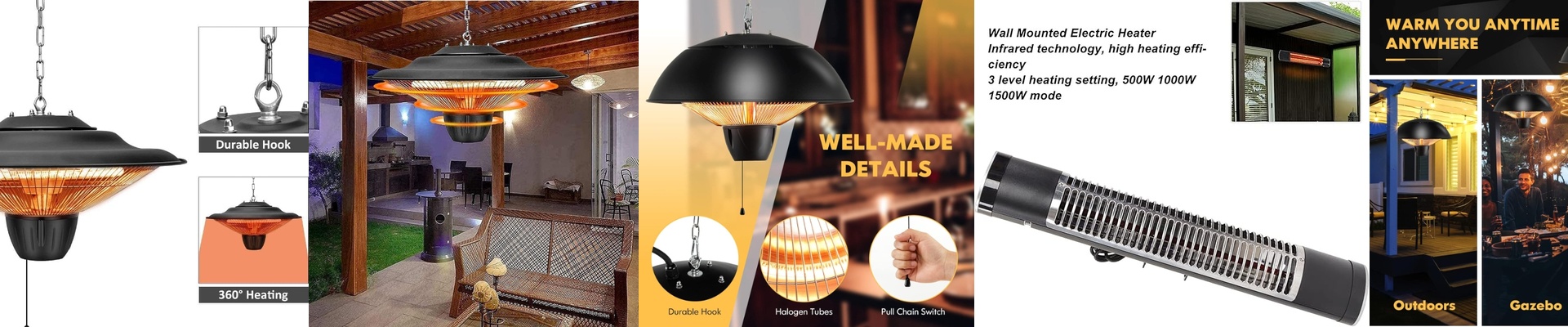
Since we’re talking about bathrooms, waterproof casings (IP-rated) are a must. But there’s a catch. Those tight, waterproof seals are great for keeping moisture out, but they can trap heat inside the lamp base. If you cram a 1000W lamp into a tiny, sealed box, you’re asking for trouble. You risk frying the wiring or melting the socket. We always make sure the housing is tough enough to handle the constant heating and cooling without warping.
Work Smarter, Not Harder
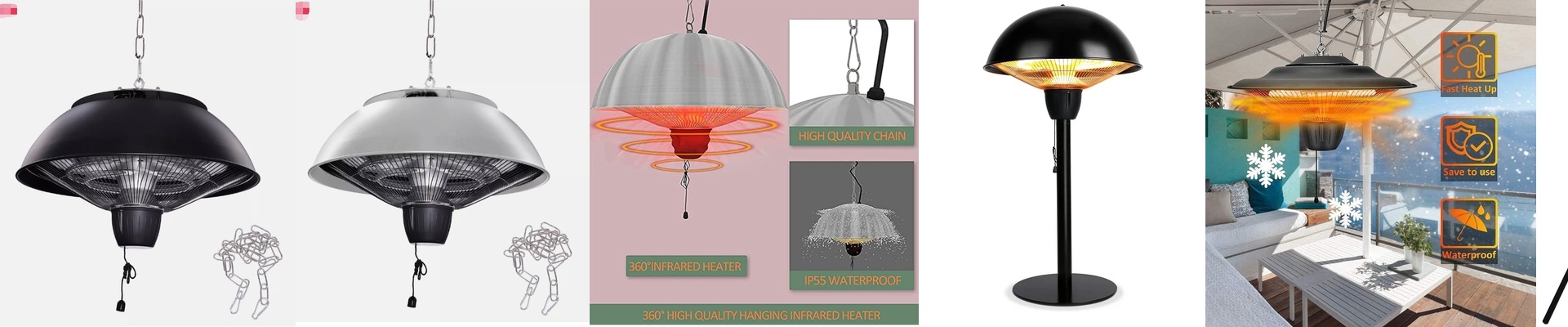
The cool thing about shortwave infrared is that it heats you, not the air. It’s fast. Really fast. But it has a limited reach. To get the most bang for your buck, put the lamps exactly where you stand—like right above the sink or the shower. Why pay to heat the entire room if you’re only spending five minutes in one specific spot? Match the wattage to the zone, and your electric bill will thank you.