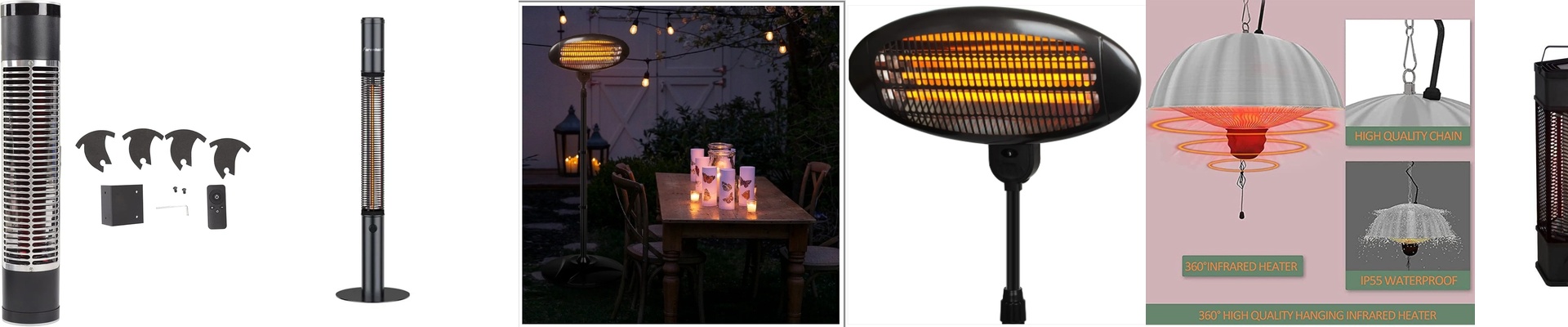




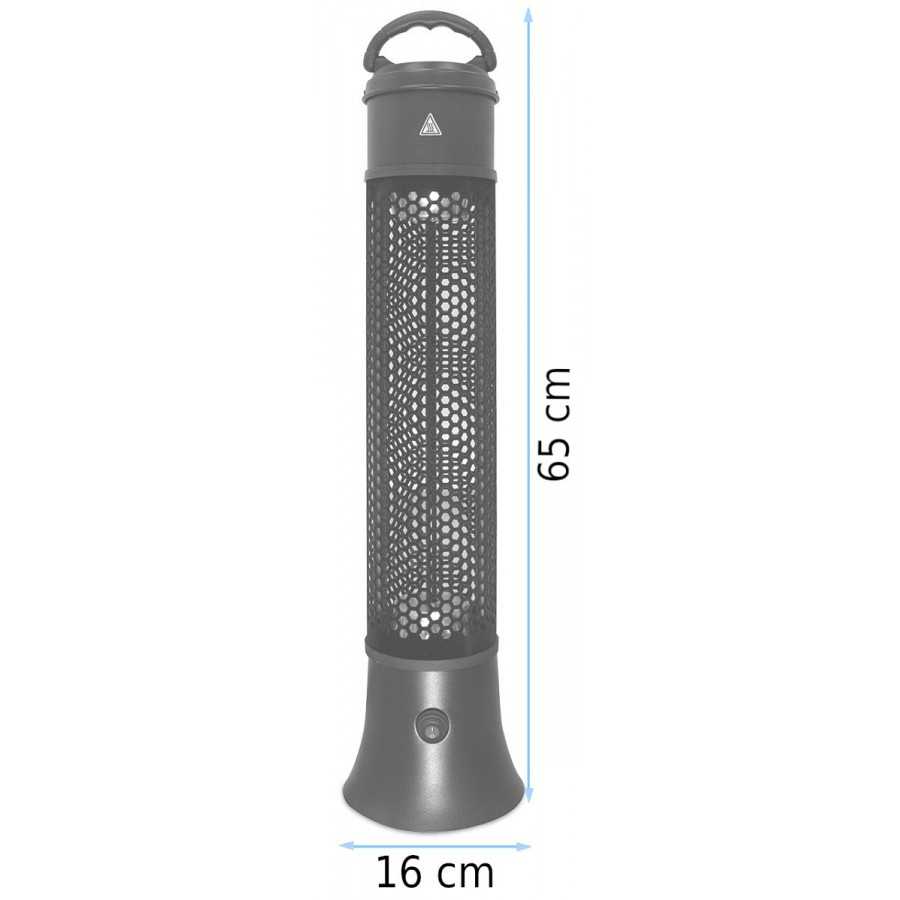
A cold car isn’t just uncomfortable—it makes your muscles tighten, your reactions drag, and turns a quick commute into a chore. Portable car heaters can deliver warmth, but only if the power supply behaves. Out on the road, voltage jumps and dips—especially during engine starts, alternator shifts, and when you’re switching between vehicles or power sources. That instability is what quietly kills infrared heating elements.
What matters under the hood
We built this portable car heater around infrared radiant heat, using a quartz element that warms people and objects directly, not the air around them. So you feel comfort faster, without waiting around. Inside, a voltage-compensation circuit constantly measures input and adjusts power delivery on the fly. If voltage surges, the controller trims current to protect the filament and the quartz tube. If voltage dips, it holds heat steady within the element’s safe window. The payoff is stable warmth without the harsh on/off cycling that kills heaters early.
Why this design holds up on the road
Road conditions create rough electrical environments. Our circuit compensation keeps the heater from paying the price. Instead of overheating on spikes or underperforming on dips, the unit holds a steady, comfortable intensity. In practice, that means fewer replacements, more predictable warm-up, and a cabin that feels welcoming the moment you start the day. For drivers, it’s not just heat—it’s dependable comfort, even when the electrical system is anything but steady.
The details you need to run it right
This heater is designed for 12V vehicle systems. Hook it up directly to the battery or a dedicated circuit, and use the correct inline fuse. It’s not for household outlets or 24V systems. For best results, run the unit when the engine is running, and avoid long use with the engine off so the alternator can keep the battery stable.Expect the housing to get hot—give it clearance and keep it away from loose items.