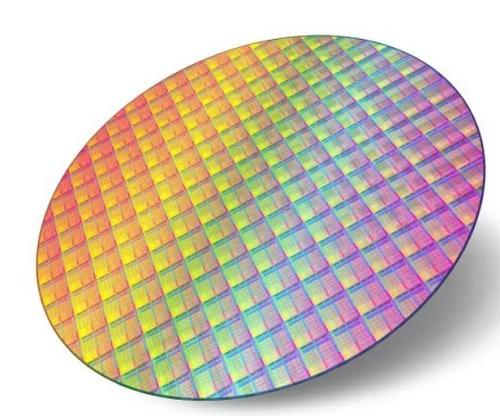
On the fab floor, photoresist bake isn’t a suggestion—it’s a spec. A 2°C swing in soft bake or hard bake will shift critical dimensions, invite defects, and send wafers to the scrap bin. The furnace lamp has to deliver heat that’s predictable, and repeatable, shift after shift.
What matters under the hood
We built the SiC furnace lamp around short-wave infrared, tuned for fast, surface-driven heating. Thermal uniformity is held to ±0.1°C across the wafer plane. The lamp body is cleanroom-ready, rated for ISO Class 1–100. We use low-outgassing materials and a design that fights particles. Zero particle generation isn’t a slogan—we verify it with in-situ metrology during qualification runs. The payoff: stable bake profiles, tighter process windows, and photoresist behavior that stays consistent lot after lot.
Why it fits lithography and photoresist work
Lithography and photoresist processing have a tight thermal budget. You need the lamp to hit setpoint fast, hold it without drift, and cool down cleanly so downstream steps aren’t exposed. This SiC lamp cuts ramp time, reduces thermal lag, and keeps repeatability across shifts. In practice, that means fewer reworks, higher first-pass yield, and cycle times you can plan around. Energy use drops too, because input power turns into targeted heat with little waste, and the long service life keeps maintenance interruptions off the line.
The practical details you’ll want to get right
Installation comes down to matching the furnace port geometry and confirming the electrical interface—voltage, connector type, and grounding—so you don’t cook hot spots or fight a field mismatch. The lamp performs best when the chamber reflector geometry aligns with the emission profile. Misalignment can cost you uniformity for the sake of peak temperature. Plan a short commissioning run to map the wafer plane and lock in the bake profile. Once set, the lamp runs 24/7 with minimal output drift, but you still need periodic calibration checks to keep the process in spec.