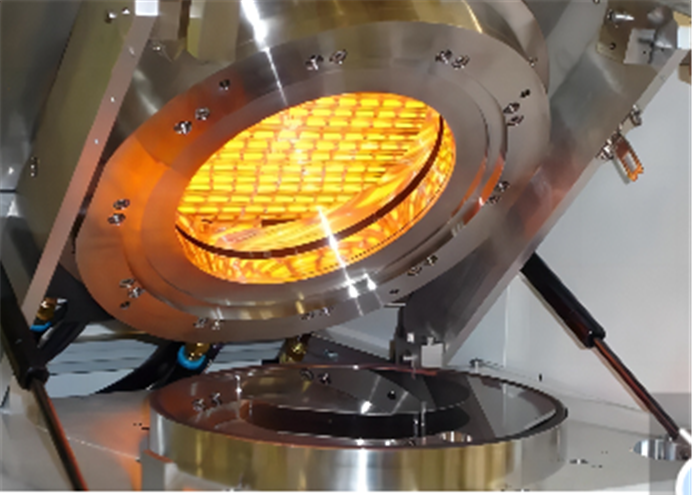
Out on the fab floor, an LPCVD furnace doesn’t get a second chance on thermal drift. One excursion and you’re staring at off-thickness film, doped junctions that didn’t land where they should, and a pile of scrapped wafers. We built the heating element to keep the thermal budget disciplined, run after run. What matters, technically The element leans on quartz stability and short-wave infrared response to bring the heat up fast and even. Across the boat, wafer-level uniformity holds within ±0.1°C. The materials are cleanroom-compatible, keeping particle counts down where you need Class 1–100 conditions. Zero particle generation protects both chamber and wafers. Repeatability isn’t an afterthought—it’s baked into the design so every batch lands within spec. Why it holds up in real LPCVD Temperature stability is the lever that moves yield. This element holds setpoint through 7×24 operation, and we’ve seen zero unplanned downtime line after line. Photoresist bake steps—soft bake and hard bake—run with tighter distributions, which cuts CD error and tightens overlay. The fast ramp and low standby loss also drop energy use. Longer service life means fewer spares and fewer maintenance windows, which lowers cost per processed wafer. Things you want to get right on install Installation comes down to clearance and termination torque—follow the furnace retrofit kit exactly. Mismatched hardware can create hot spots, and you’ll pay for it in profile drift. The element fits standard LPCVD platforms, but confirm boat geometry and thermal load before you swap. After replacement, plan a warm-up soak to re-stabilize the profile. Schedule it during maintenance so you don’t fight it on the floor.