


Keeping Your Chemical Baths Hot (Without Blowing Things Up)
Let’s be honest: heating semiconductor cleaning baths is a bit of a nightmare. You’re walking a tightrope. On one side, you need your temperatures to be spot-on. On the other, you’re surrounded by chemical vapors that would love nothing more than a single spark to turn your lab into a fireball. Using a standard infrared lamp in that environment isn’t just risky—it’s asking for trouble. That’s why we stopped using open-element heating and started sealing everything up tight.
The secret is in the seal
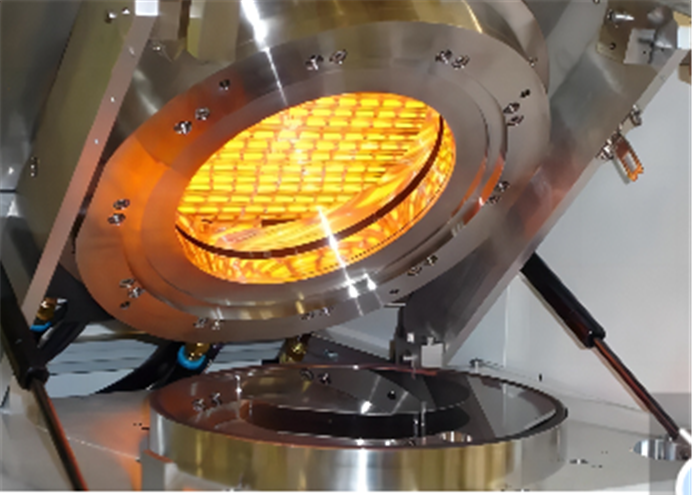
Here is how we handle it. We take the infrared emitter and wrap it in a high-grade quartz envelope. Then, we add a second protective seal on top of that. It creates a physical wall between the energized filament and those nasty vapors. No contact, no sparks, no explosions. We also make sure the materials we use don’t get eaten away by the chemicals. Everything is inert. And look, if a seal ever does fail, the lamp just stops working. It dies quietly. It doesn’t take the rest of the room down with it.
Dealing with the heat
These systems react fast. That’s the whole point—you need those tight tolerances in your baths, and you need them now. But that much heat in one spot creates its own set of problems. You can’t just shove a lamp in a box and call it a day. Metal expands. Seals shift. To stop things from leaking or cracking as they heat up, we use flexible, high-temperature gaskets. They breathe with the machine, keeping the seal tight whether the unit is cold or running at full blast.
Getting it up and running
We built these to be drop-in replacements. You shouldn’t have to tear your whole setup apart to get them working. Just wire them into your current controllers and you’re good to go. One quick heads-up: because we’ve added that protective shielding, you lose a tiny bit of that raw IR intensity compared to a naked bulb. It’s not a dealbreaker, but you might need to nudge your power settings up a bit to get the exact heat you’re looking for.