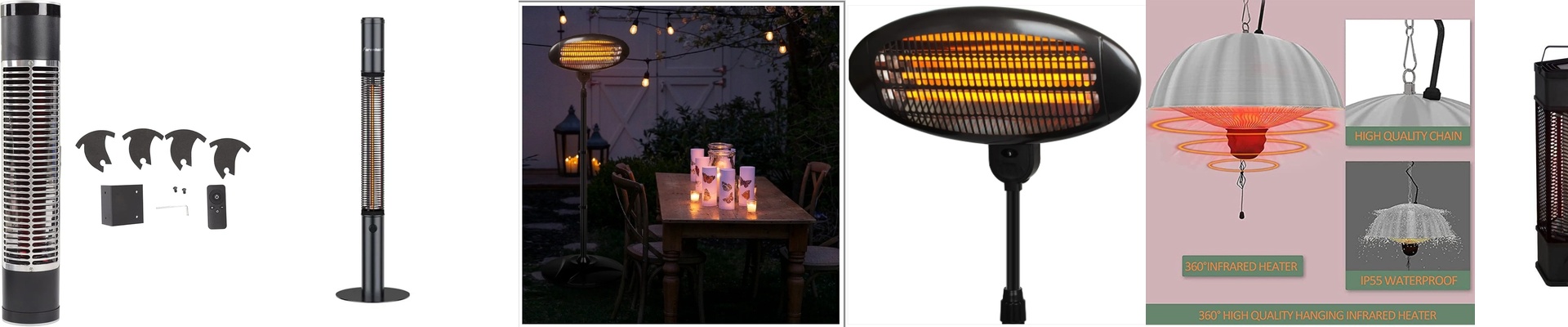
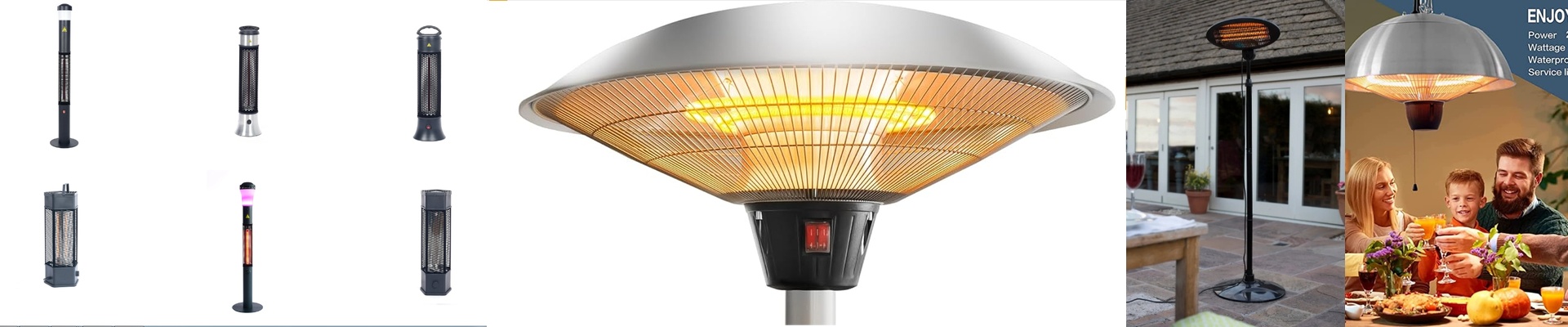
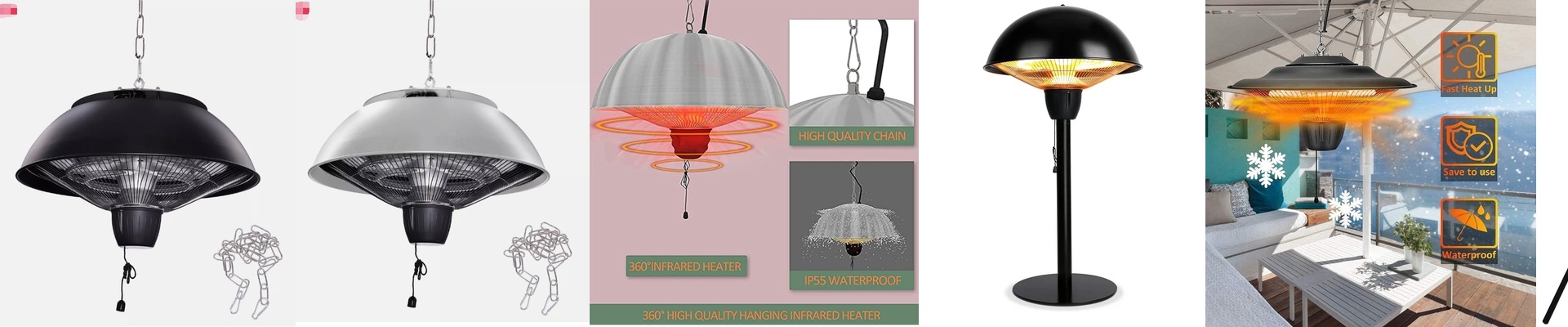
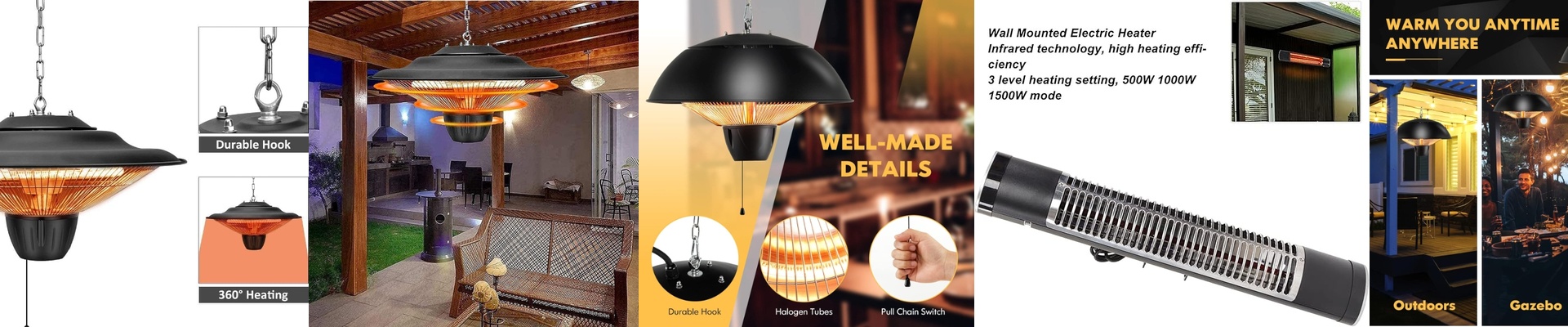
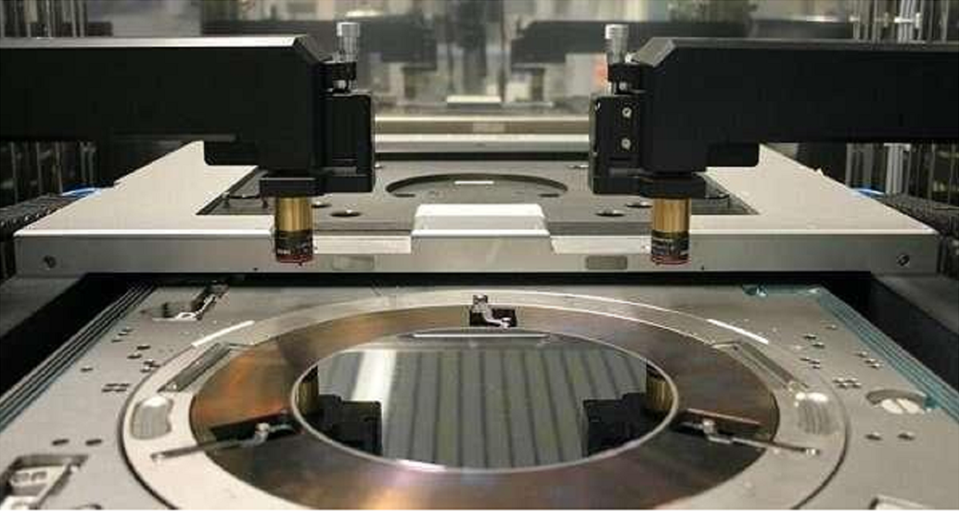
On the fab floor, you know the drill: a photoresist bake that drifts even 0.2°C can pull critical dimension control off-spec and eat into yield. You need a thermal step that repeats, hour after hour, without adding particles or unplanned downtime. What matters technically We built this compact infrared dryer for IC around short-wave emitters and quartz optics. The result is rapid, direct-coupled heating with tight thermal uniformity. Across the wafer, temperature control holds ±0.1°C, and soft bake and hard bake photoresist profiles stay stable run-to-run. The footprint fits tight bays, yet the output keeps pace with the thermal budget of larger ovens. It runs on standard voltage, integrates with existing handlers, and meets cleanroom Class 1–100 constraints without generating particles. Repeatability isn’t marketing—it’s specified: 5,000+ hours with less than 5% output drift. Why it works where it matters In lithography and post-process drying, time and temperature are a pair—you can’t move one without affecting the other. This unit cuts cycle time by heating on demand, while keeping the process window intact so CD and overlay stay protected. Energy use drops because the energy goes into the film, not the chamber. That translates to stable line yield, fewer scrap lots, and maintenance intervals you can plan around. The design is a drop-in alternative to mainstream thermal modules and aligns with international semiconductor equipment practices. Things to keep in mind Installation is straightforward, but confirm line voltage and connector compatibility before integration. Emitter window surface temperatures need safe clearance and proper guarding, especially on manual stations. Plan a short qualification run to map your exact film stack and nail the bake curve. Then lock it into the recipe so execution stays consistent, shift after shift.