


Ditching the Oven: Why IR is the Way to Go for Biosensors
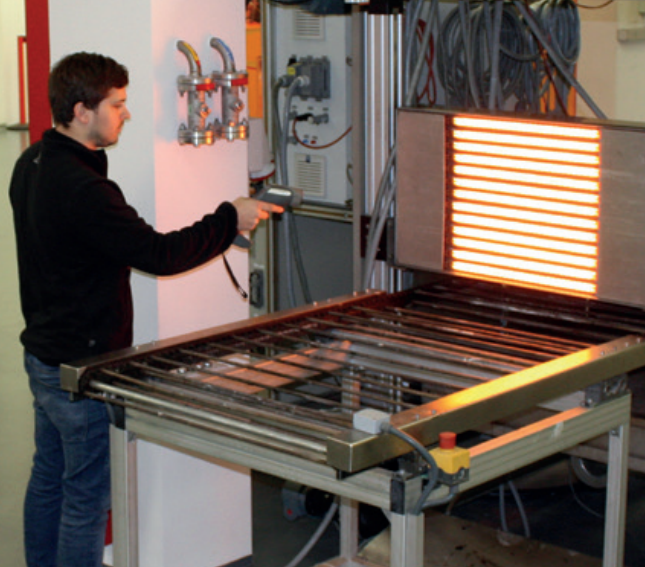
When you’re building biosensors, heat is a bit of a tightrope walk. You need it hot enough to cure your polymers and get those biological reagents moving, but if you overshoot it by even a few degrees, you’ve just fried your substrate. Most shops used to just throw everything in a convection oven and hope for the best. But if you’re running a modern smart fab, that’s just too slow. That’s why we’ve moved toward infrared (IR) systems. Instead of heating the whole room, IR lets you point the heat exactly where it needs to go. It keeps the rest of your line cool and your stress levels lower.
Getting the Heat Right (and Tracking It)
In this line of work, seconds matter. We use short-wave IR lamps because they punch through the material surface way faster than the long-wave stuff. The best part? These lamps plug right into your PLC via PID controllers. It means you aren’t guessing. You can see the heat flux in real-time and track exactly how many Joules are hitting every square millimeter of that sensor. It’s the difference between “I think it’s cooked” and “I know it’s perfect.”
The Hardware Side of Things
We usually stick with quartz-halogen tubes. Quartz is great because it doesn’t warp when things get scorching, and the halogen cycle keeps the filament from burning out after a few weeks. One quick tip:**use high-temperature ceramic connectors.**If you use standard insulation, you’re just going to watch it melt right at the terminals. Not a great look. But here’s the catch—keep an eye on your power draw. A bank of 2kW lamps puts out a massive amount of heat. If your HVAC isn’t beefy enough to pull that ambient air out, your other electronics are going to start drifting. It’s a common headache, so plan for it.
Why This Actually Matters
Switching to IR is a pretty easy swap. These systems take up way less floor space and they react instantly. Think about the time you waste waiting for a giant chamber to cool down just so you can switch to a different recipe. With IR, that wait time basically disappears. You move faster, you waste less, and you finally have a grip on your process window.