


Stop Losing Your Wafers to Blown Lamps
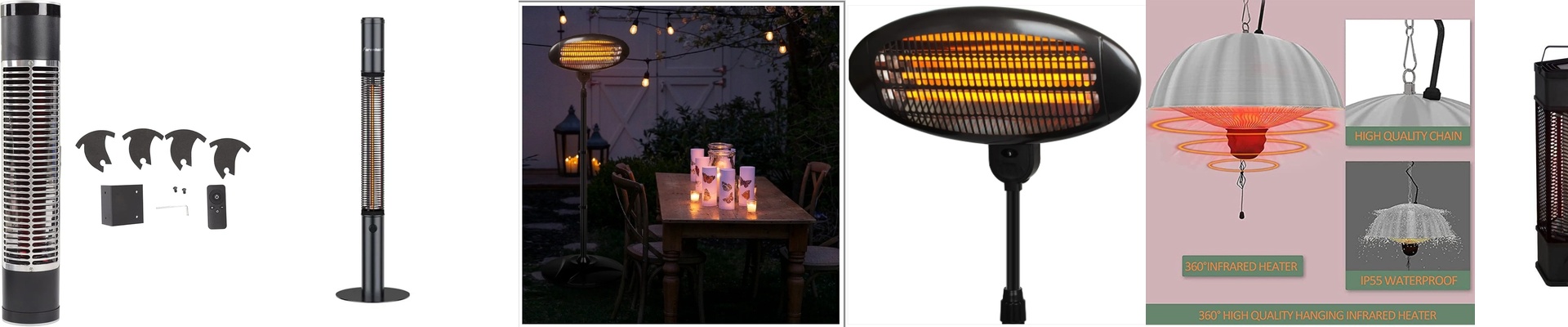
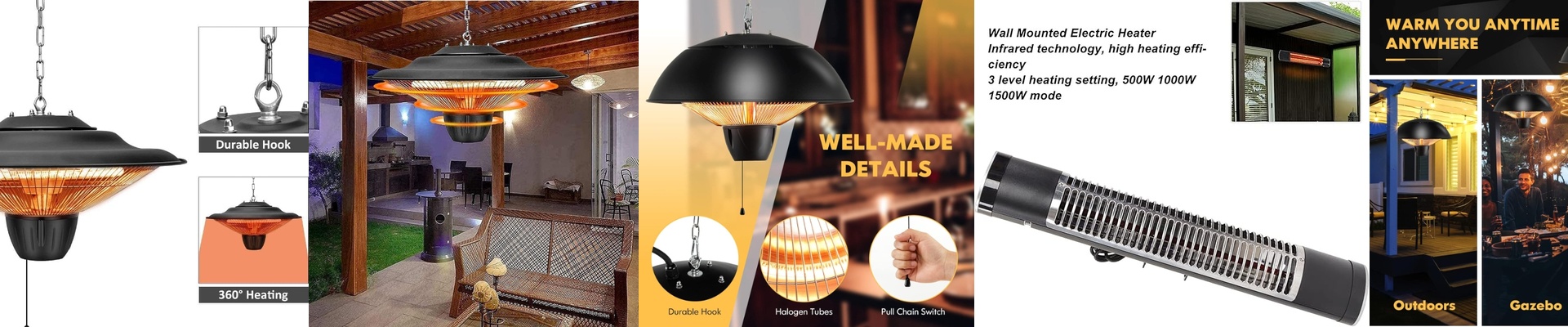
Let’s be honest: there is nothing worse than watching an entire batch of wafers go down the drain because one single lamp decided to quit. When an infrared tube pops during a high-load run, it isn’t just a “failure.” It’s a mess. You’ve got quartz shards and halogen gas raining down on your substrates, and suddenly you’re dealing with secondary contamination that could have been avoided. That’s exactly why we built our IR lamps the way we did. We wanted to make sure that “pop” never ruins your day. Keeping the mess inside We start with high-purity fused quartz, but we make the walls thicker. Why? Because rapid heating and cooling puts a massive amount of stress on the glass. To stop the “shatter effect,” we add a protective sleeve or a specialized coating. Think of it as a safety net. If the filament burns out or the glass cracks, the debris stays put. No glass dust on your wafers. No panic. And then there’s the seal. The spot where the quartz tube hits the electrodes is usually where things go wrong. We use a reinforced pinch-seal technique to keep the internal pressure steady and the gas where it belongs, even when you’re pushing the lamp to its absolute limit. Dealing with the heat Curing bio-sensor layers takes a lot of heat, and that heat beats the hell out of the lamp. The trick is balance. We tweak the voltage and wattage so you don’t get those nasty localized hot spots. When one part of the tube is way hotter than the rest, the glass expands unevenly. That’s how you get stress fractures. One quick tip: double-check your cooling system. If your airflow dips, the housing overheats, and your quartz starts to degrade way faster than it should. Easy swaps and a bit of upkeep We use standard connectors because nobody wants to spend an hour figuring out a wiring puzzle during maintenance. These are drop-in replacements. They just work. Just make sure they’re seated tightly in the socket. If they’re loose, you get electrical arcing, which is a fast track to a dead tube. It’s a small detail, but it matters. Do yourself a favor and check the contact tension every 500 hours. It takes two seconds, and it keeps you from dealing with an unexpected burnout in the middle of a shift.