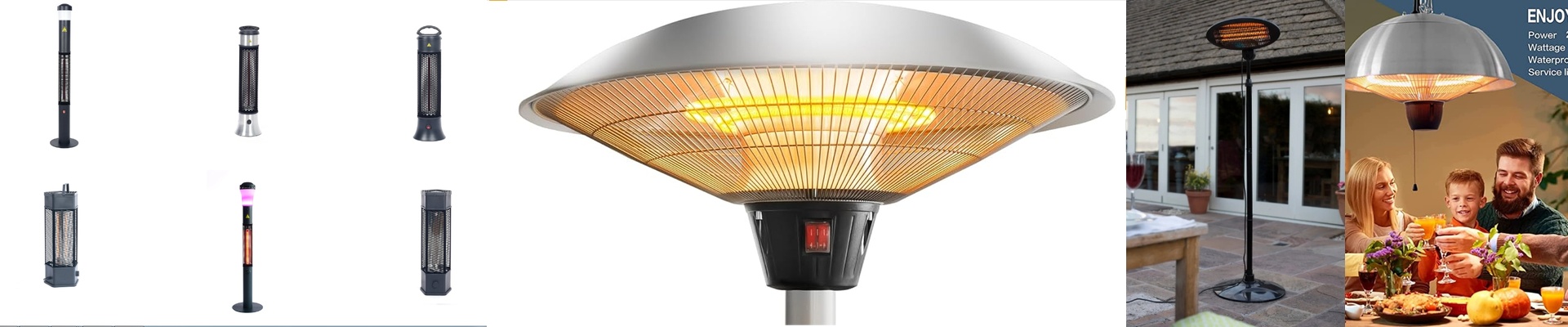
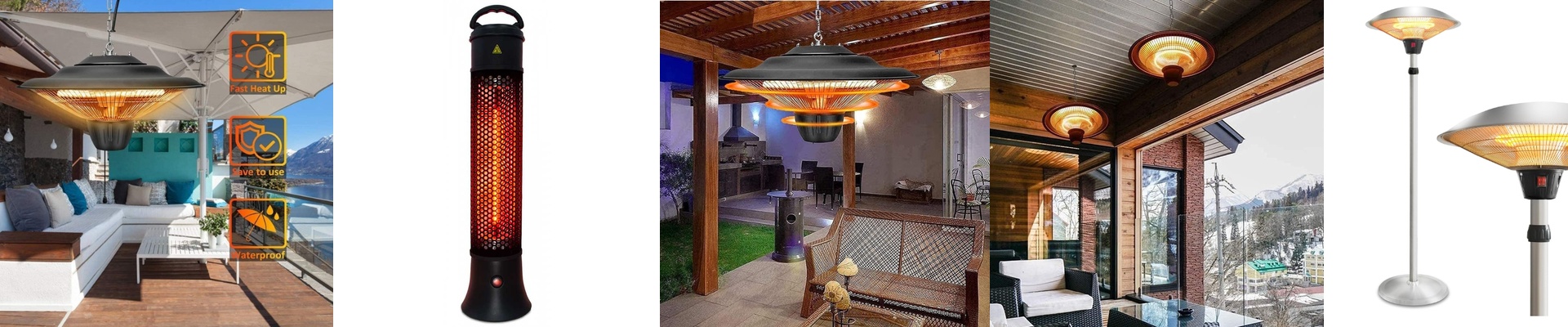
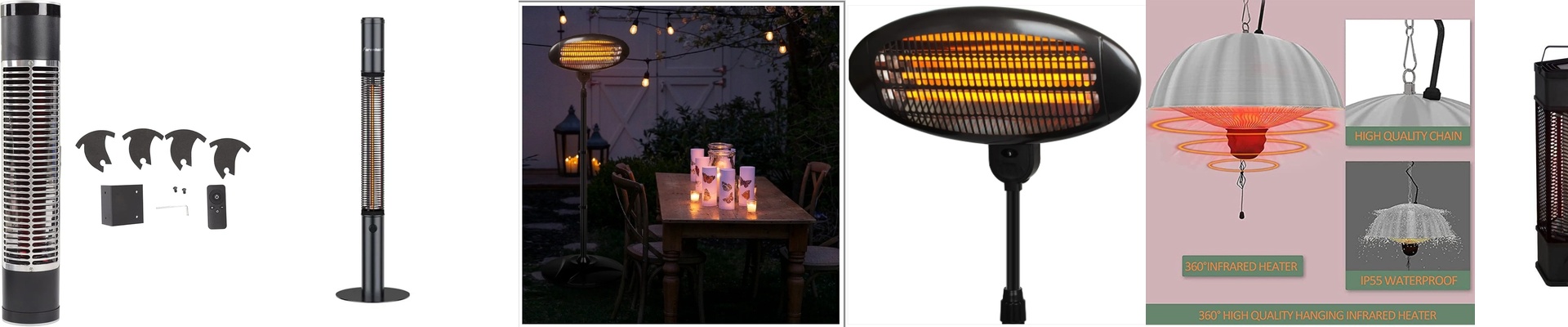
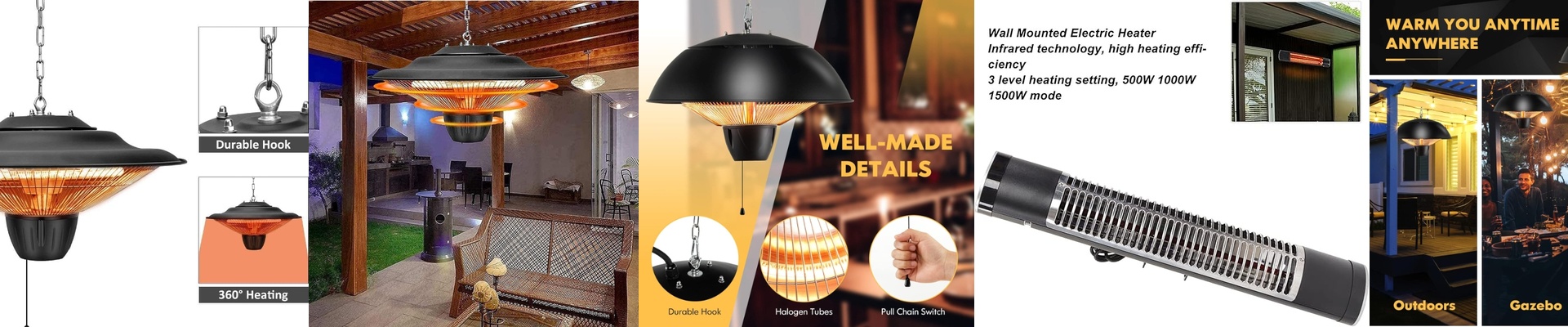
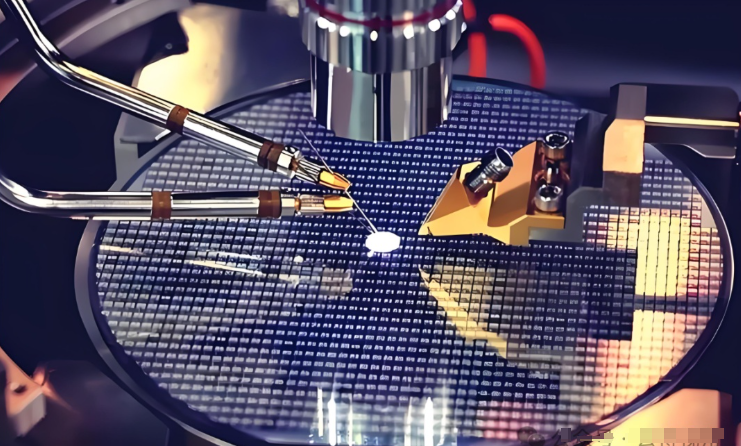
On a 300mm fab line, you can’t tolerate drift in photoresist soft bake or a particle spike during wafer drying. When the thermal budget is tight, the heating element isn’t just hardware—it is the process. Our online infrared heating modules are built for those exact moments, swapping guesswork for repeatable temperature control right at the tool. What matters, technically We lean on short-wave infrared for rapid, direct energy transfer with sub-second response. That gives wafer-level uniformity within ±0.1°C across the bake zone—exactly what you need for soft bake and hard bake profiles. The emitters run clean: zero particle generation, and they fit from Class 1 to Class 100 environments. Output stays stable over 5,000+ hours, so repeatability holds and CD and defect performance don’t drift as the lamp ages. Why it works where it matters In lithography cells, the module locks the soft bake temperature so solvent evaporation tracks to the resist vendor spec, not to ambient swings. In drying, it finishes the thermal step without watermarks, which cuts down on rework and scrap. Energy use drops because the emitters heat only the target, not the whole chamber. And when you need to keep the line moving, online spares are available. Replacement modules drop into existing tool footprints with defined connectors and calibration files, so you restore thermal performance without requalifying the whole process. Here is the part you plan for Infrared heating is line-of-sight, so geometry and emissivity matter. Lay out the emitters and get the view factor right for your wafer stack, then run a site acceptance test to map setpoint to actual wafer temperature. Expect a short warm-up to stability—then hold it. Temperature control is the difference between a stable process and an expensive investigation.