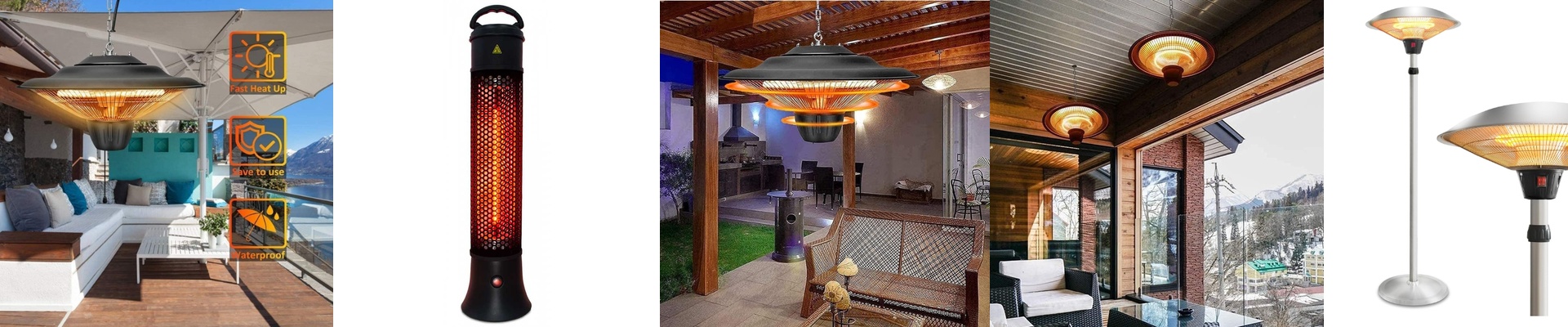
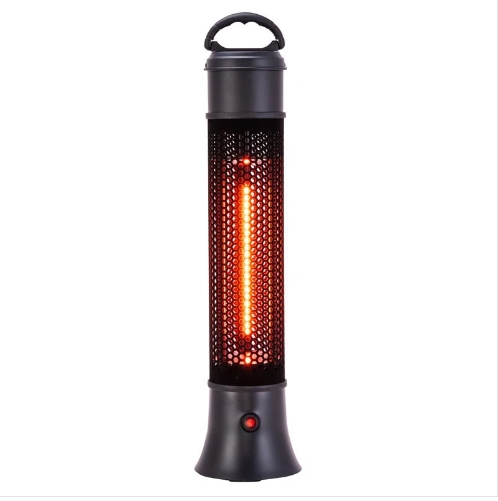
Standing Patio Heaters: The Simple Idea Behind the Warmth
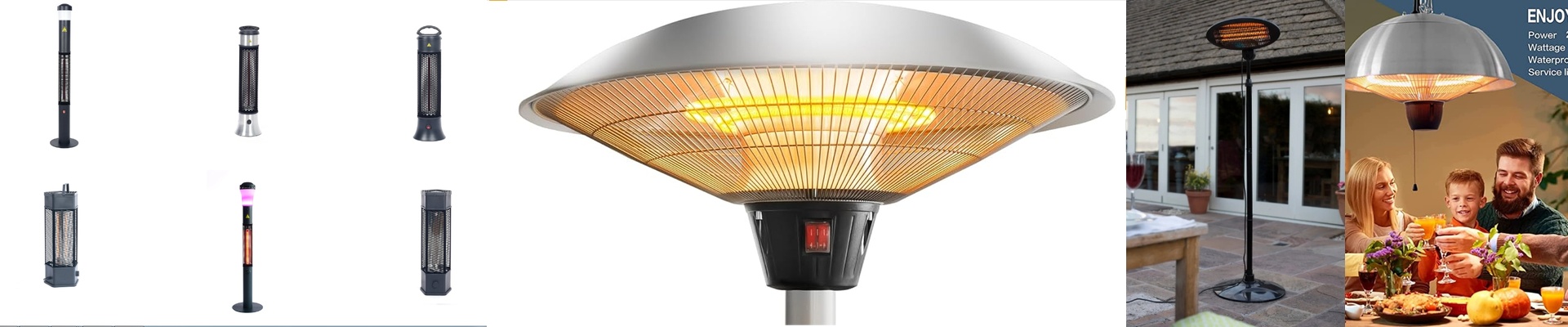
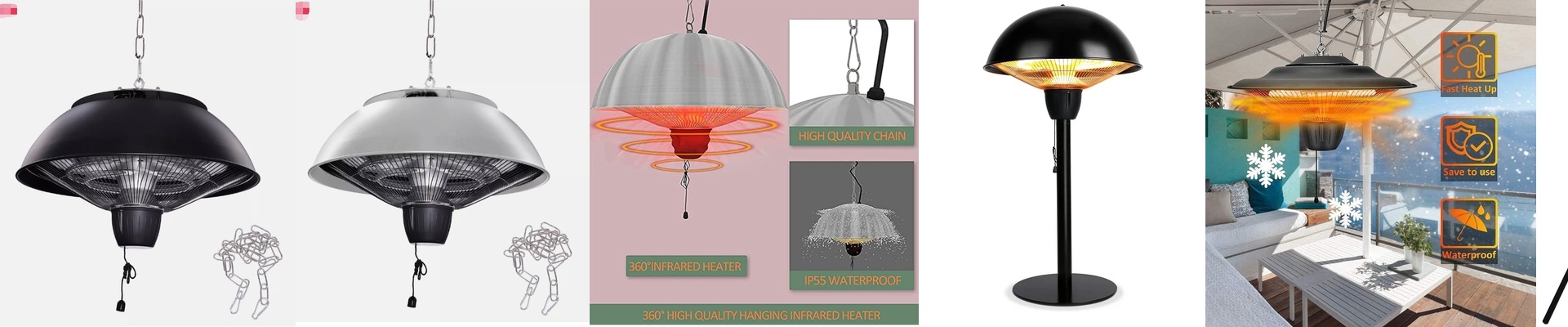
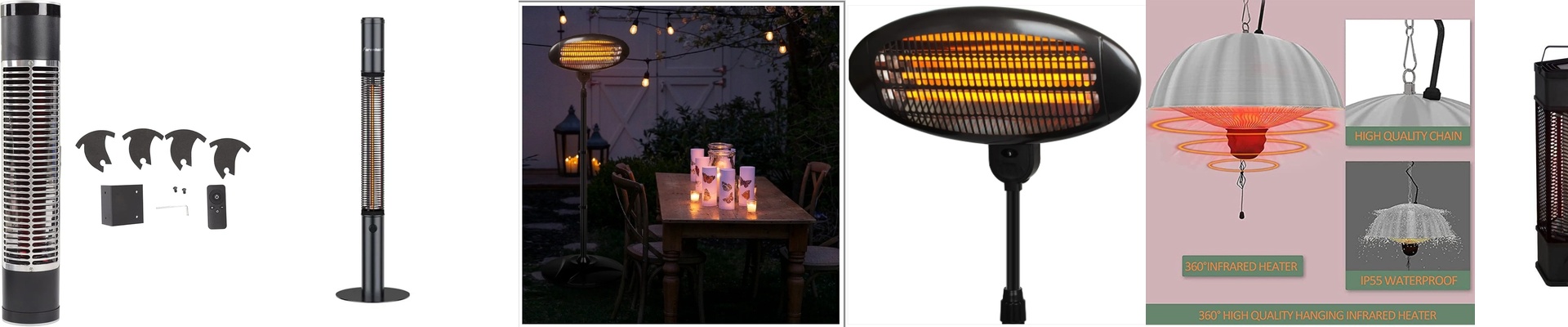
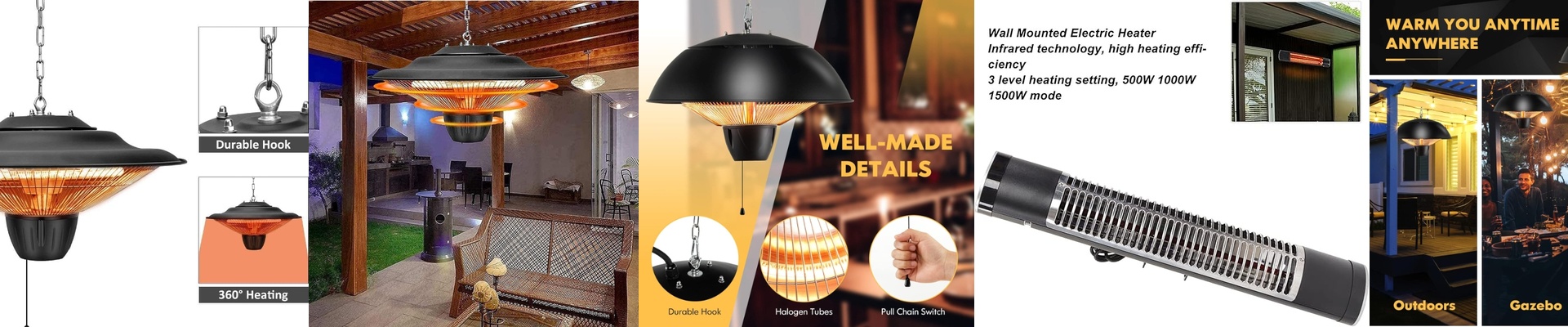
Here’s the thing about our standing patio heaters: we built them with one clear goal in mind. Give you warmth that lasts, that’s genuinely effective, and that can work just as well in your backyard as it does anywhere else in the world. Reliability came first. Not just cranking out heat, but making sure the whole thing is built to stick around. At the heart of it is a high-output infrared lamp. It takes electricity and turns it straight into radiant heat. No messing around. This way, the warmth goes right where you need it—on people and furniture—instead of getting lost heating up the air around you.
Power, Wiring, and Coverage—Kept Real Simple
We set these heaters up to be practical. They run on standard voltage, so you can plug them right into the electrical system you already have, whether it’s at home or in a commercial space. No need for a complicated, dedicated high-voltage line. The wattage is chosen to cover a patio comfortably, usually between 1500W and 2500W depending on the model. It’s pretty straightforward: more wattage means more heat. But with that extra power comes a little more heat density. So, if you’re using a 2500W unit, you’ll want to make sure the area has enough airflow to keep things from getting too intense.
The Parts That Make It Tough—And Easy to Fix
The heating element is a halogen-filled quartz tube. That halogen gas does a clever job—it protects the internal filament, so the tube can run hot without burning out quickly. We’re talking a long life here, often hitting over 5,000 hours. And the quartz itself? It’s tough. It handles sudden temperature changes and knocks better than regular glass. The lamp uses an R7s base, a standard two-pin connection. It’s secure, and it makes replacement a breeze. If a lamp ever goes, you just swap it out. No hassle, no downtime.
Why This Design Works So Well in the Real World
For anyone trying to heat an outdoor space, these heaters are a breath of fresh air. The infrared warmth hits people directly, which means it still works even when the wind is blowing. Traditional convection heaters just can’t compete with that. The standing design gives you flexibility in where you put it, and the whole thing is built to handle whatever the outdoors throws at it. So, what you get is a heater that’s easy to plan for, simple to install, and just keeps doing its job, day after day. It’s all about taking solid infrared physics and putting it into a rugged package that’s ready to get the job done.